
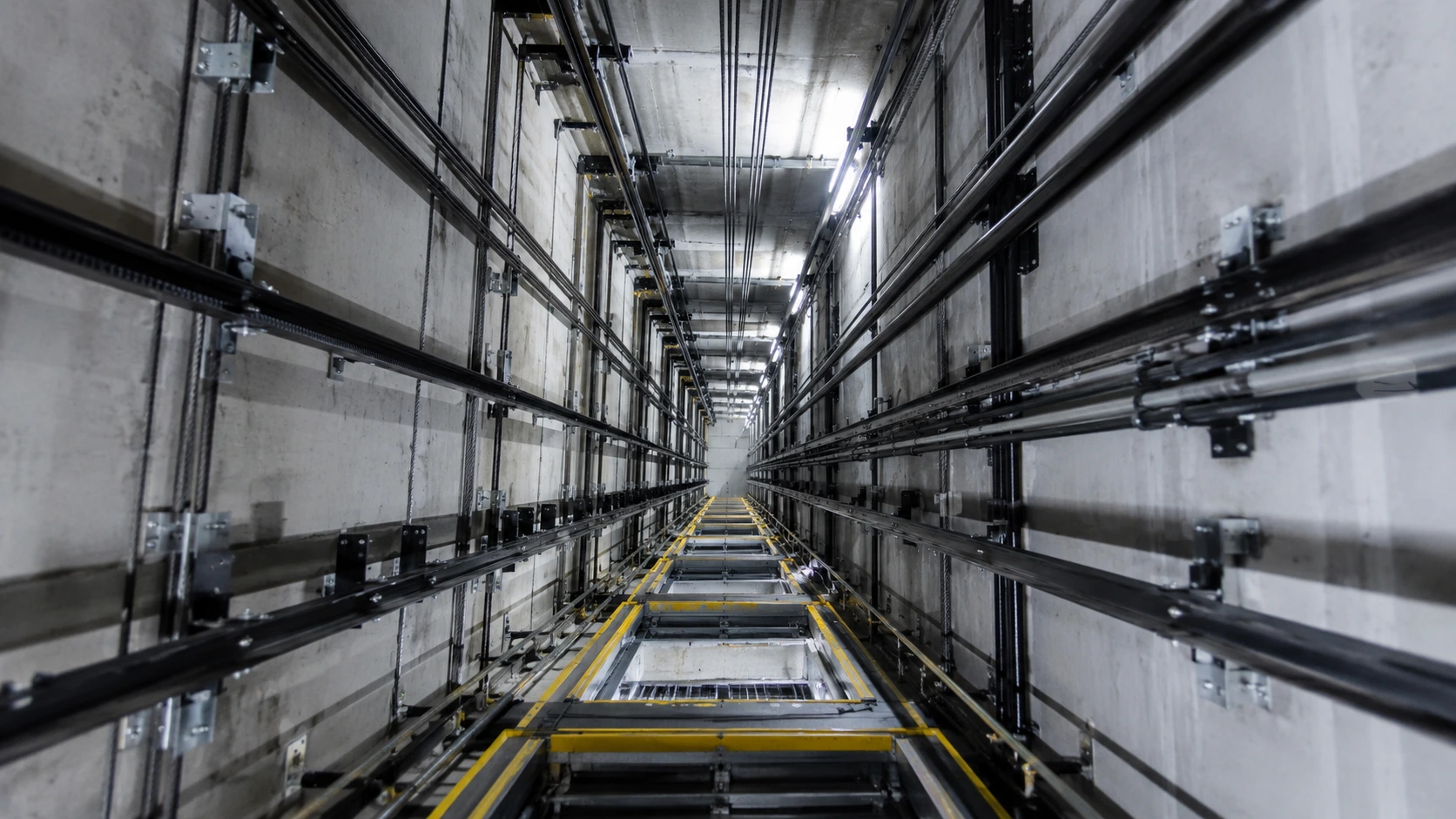
Vertical Shaft: 10 Essential Facts You Should Know
If you’ve ever explored mining, construction, elevators, or industrial machinery, you’ve probably come across the term vertical shaft. It sounds technical—and honestly, it is—but the idea behind it is surprisingly simple.
A vertical shaft is a straight passage that runs vertically through the ground, a building, or a machine. Depending on the industry, it serves different purposes, from transporting people and materials to improving ventilation or transferring mechanical power.
And while it might not get much attention outside engineering circles, the shaft plays a critical role in many of the systems we rely on every day.
Let’s take a closer look.
1. What Is a Vertical Shaft?
A vertical shaft is a vertically aligned passage or rotating component designed to move materials, people, fluids, air, or mechanical energy between different levels. It can be found underground, inside industrial equipment, or within tall buildings.
In mining, a vertical shaft connects the surface to underground tunnels. In machinery, it transfers rotational force. In buildings, it may house elevators, utilities, or ventilation systems.
The basic concept stays the same, even though the applications vary.
2. Where Is a Vertical Shaft Used?
One reason the vertical shaft is so important is its versatility. You’ll find it across numerous industries, including:
- Mining operations
- Elevator systems
- High-rise buildings
- Power generation plants
- Manufacturing facilities
- Water pumping stations
- Ventilation systems
- Wastewater treatment plants
- Mechanical transmission equipment
- Construction projects
Each industry adapts the shaft to meet specific operational requirements.
3. Mining Is One of Its Biggest Applications
When people hear about a shaft, mining is usually the first thing that comes to mind.
Mining companies dig deep shafts to reach valuable minerals buried hundreds—or even thousands—of meters below the Earth’s surface. These shafts allow workers, heavy equipment, and extracted ore to travel efficiently between underground levels and the surface.
Without a properly designed vertical shaft, deep mining would be much slower and significantly more expensive.
Safety systems such as emergency exits, ventilation channels, and hoisting equipment are also integrated into modern mining shafts.
4. Vertical Shaft in Mechanical Engineering
Not every shaft is underground.
Many machines use a vertically positioned rotating shaft to transfer power between motors and mechanical components. Pumps, turbines, mixers, crushers, and industrial gearboxes commonly rely on this configuration.
A shaft helps deliver torque while supporting rotating equipment with specialized bearings that reduce friction and wear.
Simple idea. Huge impact.
5. Different Types of Vertical Shaft
Not all shafts are built the same. Depending on the project, engineers choose different designs.
Some common types include:
- Concrete-lined shafts
- Steel-lined shafts
- Ventilation shafts
- Hoisting shafts
- Utility shafts
- Elevator shafts
- Pump shafts
- Mechanical rotating shafts
Every vertical shaft is designed according to load requirements, environmental conditions, safety standards, and long-term maintenance needs.
That’s why no two large engineering projects look exactly alike.
6. Benefits of Using a Vertical Shaft
There are plenty of reasons industries continue to rely on the shaft.
Some major advantages include:
- Efficient vertical transportation
- Better use of available space
- Improved operational efficiency
- Reliable mechanical power transmission
- Enhanced worker safety
- Easier maintenance access
- Long service life
- Reduced operational delays
- Improved ventilation in underground facilities
- Greater structural stability
And yes… when properly maintained, a shaft can remain operational for decades.
7. Materials Used to Build a Vertical Shaft
The construction material depends entirely on where the shaft will operate.
Common materials include:
- Reinforced concrete
- Structural steel
- Cast iron
- Stainless steel
- Carbon steel
- Composite materials
Mining shafts often combine reinforced concrete with steel liners for strength and durability.
Mechanical equipment may use hardened alloy steel because a rotating vertical shaft experiences continuous stress and high-speed movement.
Choosing the right material directly affects reliability and maintenance costs.
8. Maintenance Matters More Than People Think
Even the strongest shaft needs routine inspection.
Engineers regularly check:
- Bearing condition
- Alignment
- Lubrication
- Structural integrity
- Corrosion
- Cracks
- Vibration levels
- Load performance
Skipping maintenance can lead to equipment failure, costly downtime, and safety hazards.
That’s why preventive maintenance schedules are considered standard practice across industries using a vertical shaft.
A little maintenance today often prevents major repairs tomorrow.
9. Safety Considerations
Working around a shaft requires strict safety procedures.
Protective barriers, emergency communication systems, fall protection, ventilation monitoring, and regular inspections all help reduce risks.
In mining environments, gas monitoring and emergency escape systems are especially important.
Mechanical installations also include safety guards, overload protection, and vibration monitoring to ensure the vertical shaft operates safely under demanding conditions.
Safety isn’t optional—it starts during the design phase and continues throughout the equipment’s lifespan.
10. Future Innovations in Vertical Shaft Technology
Technology continues to improve the way every vertical shaft is designed and managed.
Modern projects increasingly use:
- Smart monitoring sensors
- Automated inspection drones
- Predictive maintenance software
- AI-assisted structural analysis
- Digital twins
- Advanced corrosion-resistant materials
These innovations improve reliability while reducing maintenance costs and unexpected failures.
As industries continue to modernize, the shaft will remain an essential part of infrastructure, manufacturing, mining, and energy production.
It’s one of those engineering components that quietly keeps everything moving.
Conclusion
It may not be something most people think about every day, but its importance is impossible to ignore. From transporting miners deep underground to powering industrial machinery and supporting high-rise buildings, the shaft serves as a backbone for countless engineering systems. Its versatility, durability, and efficiency make it a trusted solution across multiple industries. As technology advances, smarter monitoring systems and stronger materials will only improve the performance of every vertical shaft, ensuring it continues to play a vital role for years to come.
Frequently Asked Questions (FAQs)
1. What is a vertical shaft used for?
It is used for transportation, ventilation, power transmission, pumping, mining operations, elevators, and various industrial applications.
2. What materials are commonly used for a vertical shaft?
Engineers commonly use reinforced concrete, steel, cast iron, stainless steel, and alloy steel depending on the intended application.
3. Why is maintenance important for a vertical shaft?
Regular maintenance helps prevent mechanical failures, improves safety, extends service life, and reduces expensive repairs.
4. Is a vertical shaft only used in mining?
No. Besides mining, a vertical shaft is widely used in construction, manufacturing, power plants, water treatment facilities, elevators, and mechanical equipment.
5. How long does a vertical shaft last?
The lifespan depends on design, materials, operating conditions, and maintenance. With proper care, many vertical shaft systems can operate efficiently for several decades.