7 siding for manufactured homes Options That Work
If you’re thinking about upgrading the siding for manufactured homes, you’re probably trying to do two things at once: make the place look better and protect it from weather that doesn’t always play nice. That’s exactly what most homeowners run into—old panels fading, wind damage showing up at the worst times, or just wanting a cleaner, modern exterior.
The good news is this isn’t complicated once you understand your options. We’re going to walk through the best siding choices, what actually works for manufactured homes (not just regular houses), and how to avoid wasting money on the wrong materials. By the end, you’ll have a clear idea of what fits your budget, climate, and long-term plans.
Siding for manufactured homes options and what actually works
When it comes to siding for manufactured homes, not every material you see on traditional houses is a perfect match. These homes are built differently—lighter framing, factory-built panels, and specific structural limits. What this means is the siding needs to be lightweight, flexible, and weather-resistant without adding unnecessary load.
Let’s break down the most common options people actually use and why they matter.
Vinyl siding: the most common choice
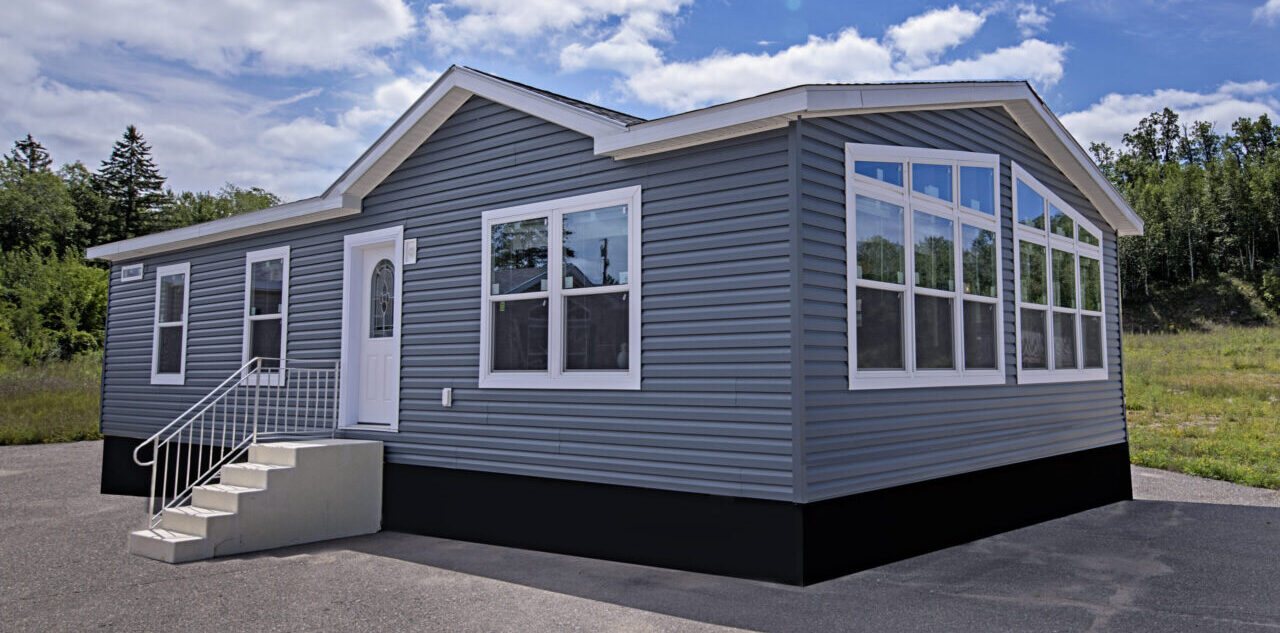
Vinyl is easily the most popular option for manufactured homes, and there’s a reason for that. It’s affordable, lightweight, and doesn’t require constant maintenance.
For many homeowners upgrading siding for manufactured homes, vinyl works because:
- It installs quickly over existing surfaces
- It resists moisture and insects
- It comes in many colors and textures
The downside? It can crack in extreme cold or warp under intense heat if lower-quality panels are used. Still, for most climates, it’s the go-to option.
Metal siding: durable but basic
Aluminum or steel siding is another option often used in older manufactured homes. It’s tough and handles wind well, which is important in open areas.
Here’s why people still consider it:
- Long lifespan with minimal maintenance
- Good wind resistance
- Non-combustible material
But it does dent easily and doesn’t offer the modern look many homeowners want today.
Fiber cement siding: premium upgrade
Fiber cement is heavier, so it’s not always the first choice for every manufactured home. But when properly installed, it gives a high-end look and excellent durability.
Benefits include:
- Strong resistance to fire and pests
- Excellent weather protection
- Mimics wood without the maintenance
This option often requires professional installation, especially when upgrading siding for manufactured homes that weren’t originally designed for heavier materials.
Insulated siding panels: energy-saving option
If your home feels too hot in summer or cold in winter, insulated siding might be worth looking at.
It adds:
- Extra thermal protection
- Better energy efficiency
- Slight noise reduction
This is especially helpful in areas with extreme temperatures and can lower long-term utility bills.
Wood siding: rare but aesthetic
Wood looks great, but it’s less common for manufactured homes due to maintenance needs.
It requires:
- Regular sealing or painting
- Protection from moisture
- Pest control considerations
Most homeowners only choose wood for accent areas rather than full exterior coverage.
Cost breakdown of siding for manufactured homes upgrades
One of the first questions people ask about siding for manufactured homes is simple: “How much is this going to cost me?” And the answer depends on material, home size, and whether you’re doing DIY or hiring help.
Let’s keep it realistic.
Average cost ranges
Here’s a rough breakdown per square foot:
- Vinyl siding: lowest cost range, budget-friendly installation
- Metal siding: moderate cost, depends on finish and quality
- Fiber cement: higher cost due to labor and material weight
- Insulated siding: mid-to-high range but energy-efficient long-term
For a typical manufactured home, total projects can range widely depending on condition and prep work needed.
Hidden costs people forget
When planning siding for manufactured homes, most people only think about materials. But there are extra costs:
- Removing old siding layers
- Repairing underlying wall damage
- Adding insulation or vapor barriers
- Trim, corners, and sealing work
These “small” details often change the final budget more than expected.
DIY vs professional installation
DIY can save money, but only if the material is beginner-friendly (like vinyl).
Professional installation is usually better when:
- You’re using fiber cement
- Structural repairs are needed
- You want warranty protection
What this means is: cheaper upfront isn’t always cheaper long-term.
Installation challenges with siding for manufactured homes
Installing siding for manufactured homes isn’t exactly the same as working on a traditional house. There are a few things that often surprise homeowners.
Lightweight structure considerations
Manufactured homes are built with lighter framing. That’s why heavier siding materials sometimes require reinforcement.
If you skip this step, you risk:
- Warping over time
- Loose panels during storms
- Uneven exterior surfaces
Wall panel systems are different
Unlike site-built homes, many manufactured homes use factory-installed wall panels. That affects how siding attaches.
You may need:
- Special fasteners
- Furring strips for leveling
- Additional sealing layers
Weather resistance matters more than looks
In open areas with strong wind or rain, siding isn’t just cosmetic—it’s protection. Poor installation can lead to leaks and insulation issues quickly.
That’s why many homeowners focus on weather resistant siding rather than purely decorative upgrades.
How to choose the right siding for manufactured homes
Choosing the right siding for manufactured homes isn’t about picking the “best” material on paper. It’s about what fits your situation.
Let’s make it simple.
Climate plays a big role
If you live somewhere hot and humid, vinyl or insulated siding works well. In colder or windy regions, metal or reinforced vinyl may perform better.
Budget vs long-term value
Cheaper materials can work fine, but sometimes upgrading saves money later.
Think about:
- Maintenance frequency
- Energy savings
- Lifespan of the material
Appearance and resale value
If you’re planning to sell in the future, curb appeal matters more than people think. Clean, modern siding can noticeably increase buyer interest in manufactured homes.
Maintenance expectations
Ask yourself:
- Do I want something I repaint every few years?
- Or something I can basically ignore for a decade?
That answer alone narrows your choices fast.
Maintenance tips for siding for manufactured homes
Once your siding for manufactured homes is installed, keeping it in good shape is not hard—but consistency matters.
Regular cleaning
A simple wash once or twice a year removes dirt, mold, and buildup. Vinyl and metal especially benefit from this.
Inspect after storms
Check for:
- Loose panels
- Cracks or dents
- Sealant gaps
Catching issues early prevents expensive repairs later.
Re-sealing and touch-ups
Some materials, especially around windows and corners, may need periodic sealing. This helps maintain weather resistance.
Watch for insulation issues
If your home starts feeling drafty, the issue might not be inside—it could be under the siding. That’s why siding insulation backing is worth checking during upgrades.
Common mistakes people make with siding for manufactured homes
A lot of problems come from rushing decisions or treating manufactured homes like standard houses.
Choosing heavy materials without checking structure
Not all homes can support fiber cement or stone-style siding without reinforcement.
Ignoring moisture barriers
Skipping proper barriers leads to hidden mold and wall damage over time.
Focusing only on price
Cheap materials often cost more in repairs later. Balance matters more than the lowest quote.
Conclusion
Upgrading siding for manufactured homes is one of those projects that can completely change how your home feels—inside and out. It improves protection, boosts curb appeal, and can even lower energy costs when done right.
The key is matching the material to your home’s structure, your climate, and how much maintenance you actually want to deal with. Vinyl keeps things simple, metal adds durability, and fiber cement gives a more premium finish if your home can support it.
If you’re planning a project soon, don’t rush the decision. Look at your current walls, think about your long-term plans, and choose a siding option that won’t give you problems a few years down the road.
Good siding isn’t just about looks—it’s the layer that quietly protects everything inside your home.
FAQs
1. What is the best siding for manufactured homes?
The best siding for manufactured homes usually depends on budget and climate. Vinyl is the most common because it’s affordable and low maintenance. Fiber cement offers higher durability but costs more and may require structural checks before installation.
2. Can you put regular house siding on a manufactured home?
Yes, but not always without preparation. Manufactured homes have lighter structures, so heavier siding materials may require reinforcement. Many homeowners choose lightweight options specifically designed for manufactured housing to avoid long-term structural issues.
3. How long does siding last on a manufactured home?
It depends on the material. Vinyl can last 20–40 years with proper care, while metal siding can last even longer but may dent. Fiber cement also has a long lifespan but needs professional installation for best performance.
4. Is it worth upgrading siding on a manufactured home?
Yes, upgrading siding for manufactured homes improves energy efficiency, weather protection, and curb appeal. It can also increase resale value, especially if the existing exterior is outdated or damaged.
5. What is the cheapest siding option for manufactured homes?
Vinyl siding is usually the most affordable option. It balances cost, durability, and appearance. However, cheaper installation upfront should still include proper sealing and insulation to avoid future repair costs.