Interior Design for Commercial: A Complete Guide to Creating Impactful Business Spaces
A well-planned business environment can change how people feel, work, and connect. Today, interior design for commercial projects is not just about choosing attractive furniture or painting walls with trendy colors. It is about creating spaces that support business goals, reflect brand identity, and make everyday experiences better.
What Makes interior design for commercial Projects Stand Out
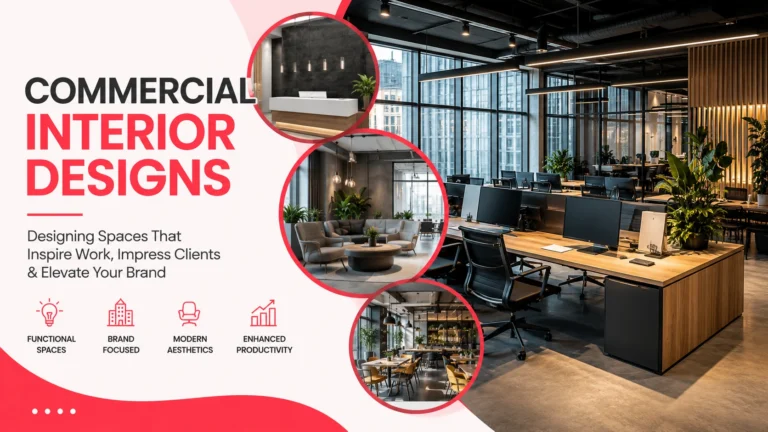
Successful workplaces, retail stores, restaurants, clinics, and offices all have one thing in common: they are designed with purpose. A strong interior design for commercial approach considers the people using the space, the type of business, customer behavior, and long-term needs.
The best spaces feel natural. Visitors should know where to go. Employees should feel comfortable. Customers should remember the atmosphere. That balance comes from careful planning, not random decoration.
The goal of interior design for commercial is to combine beauty with function. A stylish office that creates distractions will not help productivity. A retail shop that looks impressive but feels confusing may lose customers. Good design solves these challenges quietly.
Key Elements That Shape Successful Commercial Spaces
1. Brand Identity Through Design
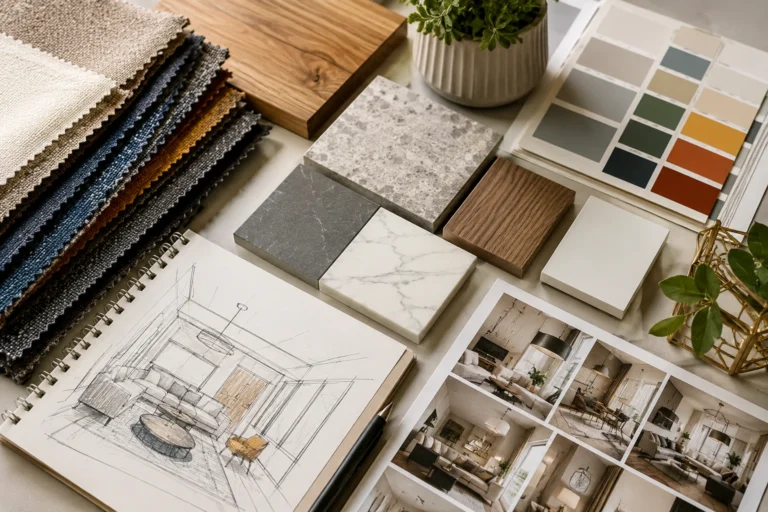
Every business has a personality. Some brands want a modern and energetic feeling, while others prefer warmth and trust. Colors, materials, lighting, and layouts can communicate these messages without saying a word.
A company investing in interior design for commercial should think beyond appearance. The space should tell a story. A technology company may choose clean lines and smart features, while a boutique hotel may focus on comfort and elegance.
2. Smart Space Planning
Space planning is one of the most important parts of any project. The arrangement of desks, counters, seating areas, meeting rooms, and walkways affects how smoothly people move.
Professional designers study traffic flow and daily activities before creating layouts. This prevents crowded areas and improves efficiency.
3. Lighting and Atmosphere
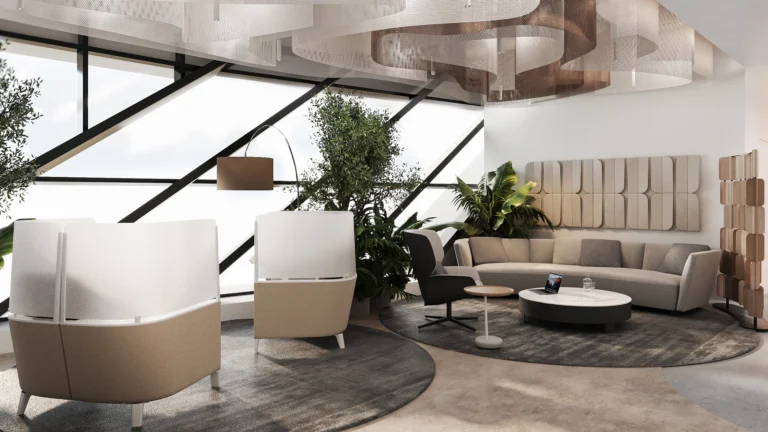
Lighting can completely transform a commercial environment. Bright lighting can support productivity, while softer lighting can create relaxation in hospitality settings.
Modern interior design for commercial spaces often combines natural light with carefully selected artificial lighting. The result is a healthier and more welcoming atmosphere.
How Good Design Supports Business Growth
Businesses often underestimate how much their environment affects success. Customers form opinions quickly, sometimes within seconds of entering a space.
When businesses invest in interior design for commercial, they create an opportunity to improve customer satisfaction and employee experience at the same time. A comfortable office can encourage teamwork. An attractive store can increase browsing time. A welcoming reception area can build trust.
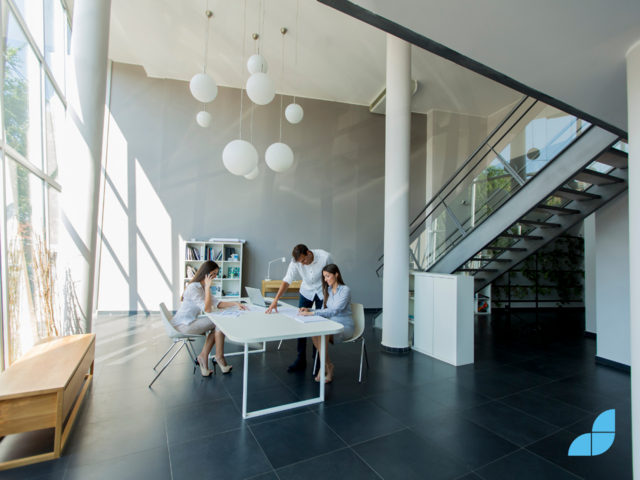
The workplace has changed significantly in recent years. Companies now understand that offices are not just places where people complete tasks. They are environments where ideas develop, relationships grow, and company culture becomes visible.
Common Mistakes to Avoid
Many businesses rush into design decisions without proper planning. This can lead to expensive changes later.
Poorly planned interior design for commercial projects may ignore practical needs, such as storage, maintenance, accessibility, or future expansion. A beautiful space should also be easy to manage.
Another common mistake is copying trends without considering the brand. A design style that works for one business may not suit another. Trends come and go, but functional design remains valuable.
Choosing the Right Design Approach
Every commercial project is different. A small cafe, corporate office, medical center, and retail showroom all require different solutions.
Modern interior design for commercial spaces focuses on flexibility. Businesses need areas that can adapt as teams grow, technology changes, and customer expectations shift.
Another reason companies explore interior design for commercial is the growing importance of employee wellbeing. Comfortable seating, better air quality, natural elements, and thoughtful layouts can make a noticeable difference.
Sustainable design is also becoming more popular. Many businesses now prefer eco-friendly materials, energy-efficient lighting, and responsible construction methods.
Working With Professional Designers
Finding the right team for interior design for commercial projects can save time, money, and stress. Experienced designers understand how to combine creative ideas with technical requirements.
A good partner understands that interior design for commercial is about solving real problems. They look at budgets, timelines, regulations, and business objectives before suggesting solutions.
Before hiring a designer, businesses should review previous projects, discuss expectations clearly, and ask about the design process. Communication matters. A great result usually comes from teamwork between the client and designer.
The Future of Commercial Interior Design
The future of workplaces and business environments will continue moving toward personalization and flexibility. Spaces will need to support different activities, from focused work to collaboration and customer interaction.
Technology will also play a bigger role. Smart lighting, automated systems, and digital experiences are becoming part of modern spaces.
Companies that understand the value of interior design for commercial will have a stronger chance of creating memorable environments. A thoughtful space is more than a physical location — it becomes part of the brand experience.
Conclusion
Investing in interior design for commercial is an investment in how a business operates and how people experience it. Great design combines creativity, comfort, and practicality.
Whether you are creating a new office, upgrading a retail store, or redesigning a customer-focused space, the right approach can make a lasting impact. The best commercial interiors are not simply beautiful. They feel right, work efficiently, and support the people inside them.
FAQ
1. What is the purpose of interior design for commercial projects?
The purpose is to create functional and attractive business environments that support employees, customers, and overall business goals. Professional planning helps businesses use their spaces more effectively.
2. Why is interior design important for businesses?
Good design improves comfort, strengthens brand identity, enhances customer experiences, and can increase workplace efficiency.
3. How much does commercial interior design cost?
Costs vary depending on project size, materials, location, and complexity. A detailed plan helps businesses manage budgets effectively.
4. Can small businesses benefit from professional design?
Yes. Small businesses can use thoughtful design to create stronger impressions and make better use of limited space.
5. What should businesses consider before starting a design project?
They should define goals, understand their audience, set a realistic budget, and choose experienced professionals. A successful interior design for commercial project always begins with clear planning.
6. Is sustainable design important for commercial spaces?
Yes. Sustainable choices can reduce operating costs and create healthier environments for users. Modern interior design for commercial also focuses on responsible materials and long-term value.