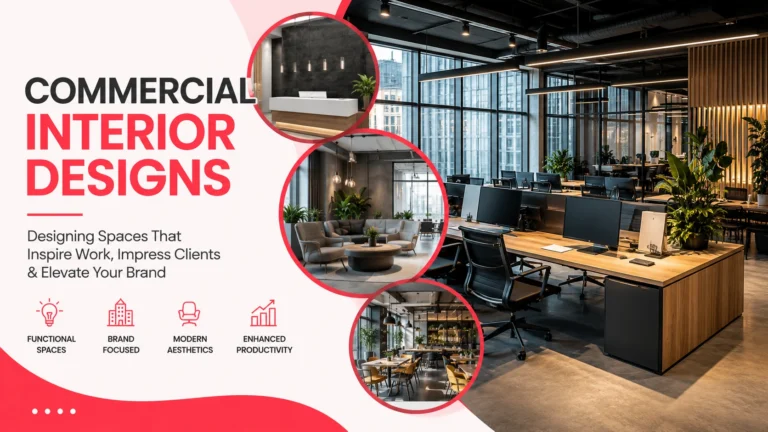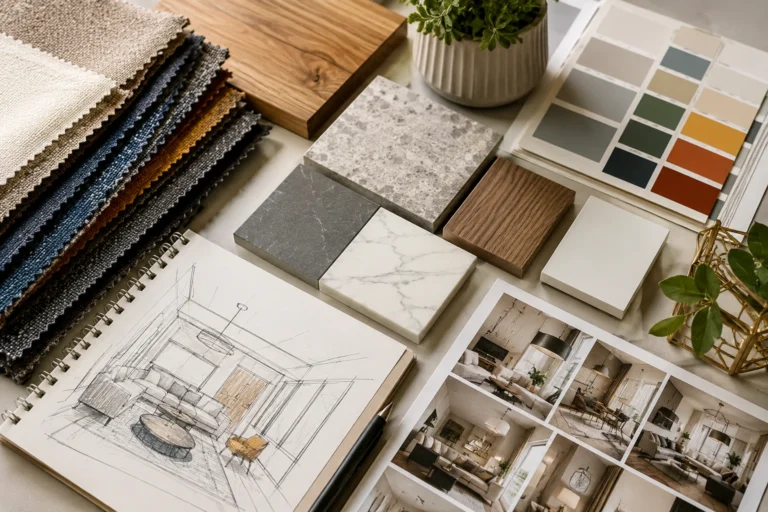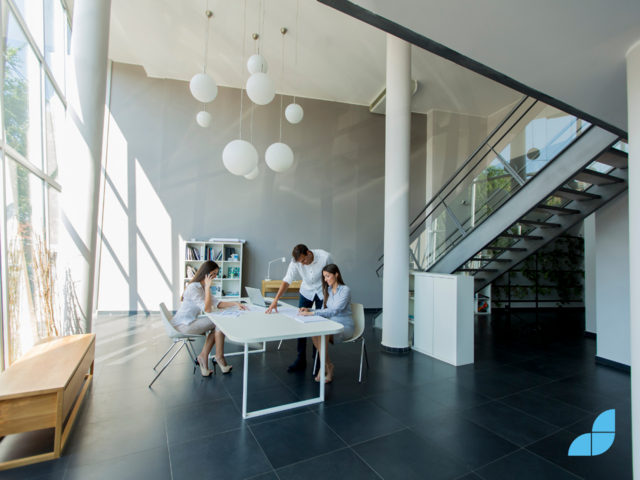
9 Commercial Interior Design Trends Shaping US Businesses
Walk into a newly designed office today and you’ll notice something different right away. The space doesn’t just look good—it feels better.
Employees have comfortable places to focus. Customers feel welcome. Teams can collaborate without disrupting everyone else. That’s because commercial interior design trends have shifted dramatically over the past few years.
Businesses are no longer designing spaces purely for appearances. They’re investing in environments that improve employee experience, support productivity, strengthen brand identity, and adapt to changing ways of working.
Whether you’re renovating an office, upgrading a retail location, or planning a new commercial space, understanding what’s driving today’s design decisions can help you make smarter investments.
Let’s look at the commercial interior design trends making the biggest impact across the United States.
Commercial Interior Design Trends Are Becoming More Human-Centric
The biggest shift in commercial design isn’t a color palette or furniture style.
It’s the move toward human-centric design.
Businesses have realized that employees and customers respond better to spaces designed around real human needs rather than corporate aesthetics.
A decade ago, many offices prioritized maximizing square footage. Today, companies are asking different questions:
- How comfortable is the space?
- Does it reduce stress?
- Can employees focus effectively?
- Does it encourage collaboration when needed?
Commercial interior design trends increasingly focus on creating environments that support physical and mental wellbeing.
For example, companies are incorporating:
- Natural lighting
- Quiet focus zones
- Ergonomic furniture
- Wellness rooms
- Flexible seating options
The result is a workspace that feels less like a traditional office and more like an environment where people genuinely want to spend time.
Why Human-Centric Design Works
When people feel comfortable, they tend to be more engaged.
A well-designed workspace can influence:
- Employee productivity
- Retention rates
- Team collaboration
- Customer satisfaction
- Overall workplace wellness
That’s why human-centric design continues to dominate industry discussions heading into 2026.
Flexible Office Layouts Are Replacing Fixed Workspaces
Remember rows of assigned desks?
Many businesses don’t.
Hybrid workspaces have changed expectations about how commercial environments function.
Companies need spaces that can adapt quickly to changing schedules, project teams, and workforce sizes.
As a result, flexible office layouts are becoming standard practice.
Instead of fixed seating arrangements, designers are creating adaptive workspaces that support multiple activities throughout the day.
Common Features of Flexible Office Layouts
- Movable walls
- Modular furniture
- Multi-purpose meeting rooms
- Shared workstations
- Convertible collaboration areas
Think of it like a smartphone compared to an old flip phone.
One device serves many functions.
Modern commercial interiors are designed the same way.
A conference room might become a training space in the morning and a client presentation area in the afternoon.
That flexibility helps businesses maximize both space and investment.
Biophilic Design Continues to Gain Momentum
People naturally respond to nature.
That’s the foundation behind biophilic design.
This approach brings natural elements into commercial environments to create healthier, more inviting spaces.
While indoor plants remain popular, today’s biophilic design goes much further.
Businesses are integrating nature through:
- Living walls
- Natural materials
- Water features
- Organic textures
- Abundant natural lighting
- Nature-inspired color palettes
Why Businesses Are Investing in Biophilic Design
Imagine spending eight hours in a windowless room with fluorescent lighting.
Now compare that to a workspace filled with sunlight, greenery, and natural materials.
Most people immediately notice the difference.
Research and industry reports continue to connect nature-inspired environments with improved employee experience and workplace wellness.
For customer-facing businesses, biophilic design also creates a more memorable atmosphere that encourages visitors to stay longer and engage more deeply with the brand.
Sustainability Is Becoming a Business Standard
A few years ago, sustainable materials were often viewed as a premium option.
Today, they’re increasingly expected.
Commercial interior design trends now place sustainability at the center of project planning.
Business owners are looking beyond appearance and considering the environmental impact of every design decision.
Popular Sustainable Design Choices
- Recycled flooring materials
- Energy-efficient interiors
- Low-VOC paints
- Reclaimed wood finishes
- Locally sourced materials
- Circular design principles
The goal isn’t simply reducing environmental impact.
It’s also about creating healthier spaces while lowering long-term operating costs.
For example, energy-efficient lighting systems can significantly reduce utility expenses over time.
Similarly, durable materials often require less maintenance and replacement.
What this means is sustainability isn’t just good for the planet—it’s becoming a practical business decision.
Smart Office Technology Is Blending Into Design
Technology used to be something added after construction.
Now it’s being integrated from the beginning.
Smart office technology is one of the fastest-growing commercial interior design trends because businesses want environments that work smarter.
The most effective systems are almost invisible.
Employees benefit from them without constantly thinking about them.
Examples of Smart Office Technology
- Occupancy sensors
- Automated lighting systems
- Climate control automation
- Smart meeting room scheduling
- Touchless entry systems
- Energy monitoring platforms
For example, lighting can automatically adjust throughout the day based on natural sunlight levels.
Meeting rooms can indicate availability in real time.
Temperature controls can adapt to occupancy patterns.
These upgrades improve comfort while supporting energy-efficient interiors.
Acoustic Design Is Finally Getting Attention
One of the most common workplace complaints isn’t furniture.
It’s noise.
Open offices created collaboration opportunities, but they also introduced distractions.
Employees often struggle to focus when conversations, phone calls, and meetings blend together throughout the day.
That’s why acoustic design has become a major priority.
Modern Acoustic Solutions
Commercial designers are using:
- Acoustic wall panels
- Sound-absorbing ceilings
- Privacy pods
- Carpeted zones
- Strategic furniture placement
- Noise-buffering materials
The goal isn’t complete silence.
It’s creating balance.
People need spaces for teamwork and spaces for concentration.
Strong acoustic design allows both to coexist.
Businesses that ignore noise management often discover that even beautiful offices can become frustrating places to work.
Hospitality-Inspired Interiors Are Influencing Commercial Spaces
One of the more interesting commercial interior design trends comes from an unexpected source: hotels.
Many businesses are borrowing design principles traditionally associated with hospitality environments.
Why?
Because hotels have spent decades mastering comfort and customer experience.
Today’s commercial spaces often include:
- Lounge-style seating
- Café-inspired gathering areas
- Residential textures
- Warm lighting
- Comfortable collaborative spaces
The objective is simple.
Create environments where people feel welcomed rather than managed.
This trend is especially visible in:
- Corporate offices
- Medical facilities
- Retail environments
- Co-working spaces
- Financial institutions
Customers and employees increasingly expect experiences that feel personal and inviting.
Hospitality-inspired interiors help deliver that experience.
Brand Identity Design Is Moving Beyond Logos
A logo on the wall isn’t enough anymore.
Businesses want their physical environment to communicate who they are.
That’s why brand identity design has become an essential part of commercial interiors.
Every design choice tells a story.
Colors, materials, furniture selections, and layout decisions all contribute to how visitors perceive a company.
Examples of Brand Identity Design
A technology company might emphasize innovation through:
- Open collaborative spaces
- Modern materials
- Smart office technology
A wellness-focused organization may prioritize:
- Natural lighting
- Sustainable materials
- Biophilic design
A creative agency could showcase flexibility through:
- Adaptive workspaces
- Modular furniture
- Informal collaboration zones
When done well, employees and customers understand a company’s values the moment they walk through the door.
Designing for Neurodiverse Workforces
Not everyone experiences a workspace the same way.
That’s a reality many businesses are finally recognizing.
Neurodiverse workplace design focuses on creating environments that support different cognitive styles, sensory preferences, and working habits.
Instead of forcing everyone into the same environment, designers provide options.
Common Neurodiverse Design Features
- Quiet zones
- Adjustable lighting
- Acoustic control
- Flexible seating
- Private work pods
- Sensory-friendly materials
This approach often benefits everyone, not just neurodiverse employees.
For example, many workers appreciate having access to quieter areas when tackling focused tasks.
As organizations continue prioritizing inclusion, neurodiverse workplace design is expected to grow significantly.
What Businesses Should Prioritize First
Not every company needs a complete redesign.
In fact, many successful improvements happen gradually.
If you’re evaluating commercial interior design trends for your business, start with areas that create the greatest impact.
Focus on:
- Employee experience
- Flexible office layouts
- Acoustic design
- Natural lighting
- Ergonomic furniture
- Sustainable materials
These upgrades often provide noticeable benefits without requiring a full renovation.
Think of commercial design as an ongoing investment rather than a one-time project.
The most successful spaces evolve alongside the people who use them.
Conclusion
The most influential commercial interior design trends in 2026 share a common theme: people come first.
Businesses are moving away from rigid layouts and purely visual upgrades. Instead, they’re creating environments that improve workplace wellness, support employee productivity, strengthen brand identity, and adapt to changing needs.
Whether it’s biophilic design, flexible office layouts, smart office technology, or hospitality-inspired interiors, the goal remains the same—build spaces that work better for real people.
If you’re considering updates to your commercial space, start by observing how employees and customers actually use the environment today. Small improvements often reveal the biggest opportunities.
The best commercial interior design trends aren’t simply fashionable. They’re practical, adaptable, and designed to deliver value for years to come.
Frequently Asked Questions
1. What are the most important commercial interior design trends in 2026?
The biggest trends include human-centric design, flexible office layouts, biophilic design, sustainable materials, smart office technology, acoustic design, and hospitality-inspired interiors. These approaches focus on improving employee experience and business performance.
2. Why are flexible office layouts becoming so popular?
Businesses need adaptive workspaces that support hybrid work, changing team structures, and multiple uses throughout the day. Flexible layouts help maximize space while improving collaboration and efficiency.
3. How does biophilic design benefit commercial spaces?
Biophilic design introduces natural elements such as plants, sunlight, and organic materials. Many organizations use it to create more comfortable environments that support workplace wellness and employee satisfaction.
4. Which commercial interior design trends offer the best return on investment?
Improvements involving natural lighting, ergonomic furniture, acoustic design, and flexible office layouts often deliver strong returns because they directly affect employee productivity and workplace experience.
5. Can small businesses adopt commercial interior design trends on a budget?
Yes. Many commercial interior design trends can be implemented gradually. Simple upgrades such as improved lighting, modular furniture, acoustic panels, and sustainable materials can significantly improve a space without requiring a major renovation.