Materials and Interior Design: Creating Spaces That Feel Like Home
A beautiful interior is never only about expensive furniture or trendy decorations. The real magic often begins with the things we touch, see, and experience every day. From natural wood and stone to modern composites and sustainable finishes, the choices behind a room shape its personality.
Materials and Interior Design work together to create spaces that feel balanced, practical, and emotionally connected. A living room can feel warm because of timber textures, while a kitchen can feel clean and timeless because of carefully selected surfaces.
1. Understanding the Connection Between Materials and Spaces
Good design starts with understanding how different materials behave. Materials and Interior Design begins with this simple connection. Some create comfort, some add drama, and others bring a sense of calm. Designers think about texture, durability, maintenance, and how a material interacts with light.
Materials and Interior Design is not simply about picking attractive options. It is about creating harmony between appearance and function. A marble countertop might look luxurious, but a designer also considers daily use, cleaning needs, and long-term performance.
The best interiors usually have a mix of finishes. Smooth surfaces can be paired with rough textures. Soft fabrics can balance hard flooring. Small contrasts often make a room feel more interesting.
2. Natural Materials Bring Warmth and Character
Natural materials have remained popular for generations because they bring a sense of authenticity. Wood, stone, bamboo, clay, and natural fibers can make homes feel connected to nature.
Wood remains one of the most flexible choices in modern homes. In Materials and Interior Design, wood is often valued for its natural character. It works in Scandinavian interiors, traditional houses, and even minimalist apartments. Different grains and finishes create completely different moods.
Stone is another favorite. Granite, marble, limestone, and other varieties add strength and visual appeal. But natural stone does not need to dominate a room. Sometimes a small accent wall or tabletop is enough.
Materials and Interior Design often focus on this balance — using nature-inspired elements without making a space feel heavy.
3. Sustainable Choices Are Changing Modern Interiors
Homeowners today are paying more attention to where materials come from. Materials and Interior Design now reflect a deeper awareness of environmental choices. Sustainable design is no longer just a trend; it is becoming a practical choice.
Recycled materials, responsibly sourced wood, low-emission paints, and energy-efficient products are becoming common in residential projects. These options help reduce environmental impact while still offering beautiful finishes.
Materials and Interior Design now include a stronger focus on responsible decisions. A stylish home can also be a thoughtful home.
And sustainability does not mean sacrificing creativity. Designers are finding new ways to use recycled glass, reclaimed wood, and innovative materials that look fresh and modern.
4. The Role of Texture and Color
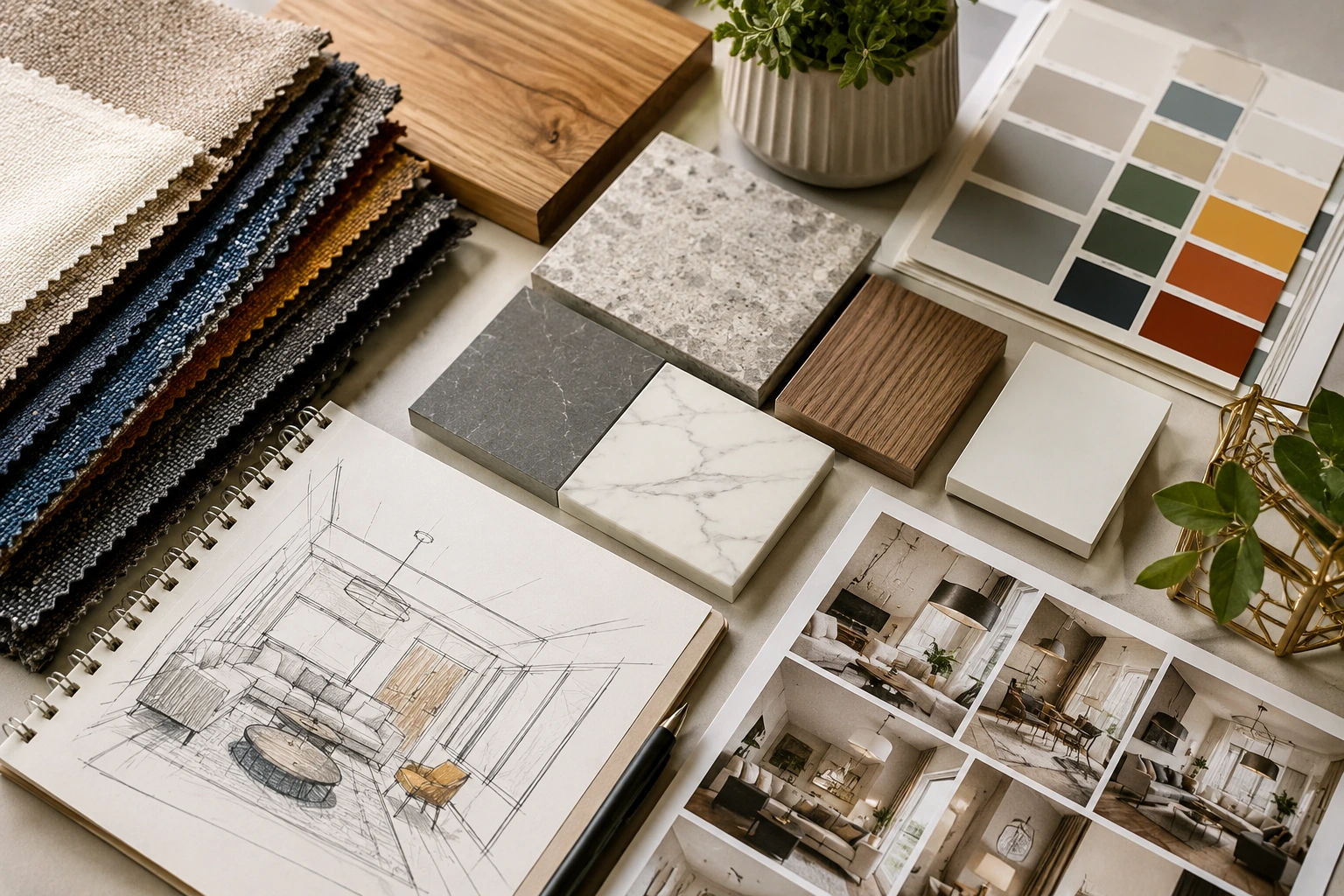
Many people notice color first, but texture is what often creates a memorable feeling. Materials and Interior Design use texture to add personality. A room with only smooth surfaces can feel cold. Adding woven fabrics, textured walls, or natural finishes creates depth.
Materials and Interior Design rely heavily on this relationship between texture and visual emotion. A velvet chair, wooden cabinet, stone floor, and metal lighting fixture can work together when carefully planned.
Color choices also influence how materials appear. A dark wood finish may feel dramatic in one setting and cozy in another depending on lighting and surrounding tones.
5. Modern Materials Offer Flexibility
Technology has introduced many new options for interiors. Engineered stone, decorative laminates, porcelain slabs, and advanced composites provide designers with more freedom.
These materials can imitate natural finishes while offering easier maintenance. For busy households, that can be a huge advantage.
Materials and Interior Design today combine traditional beauty with modern convenience. A homeowner no longer has to choose between style and practicality.
6. Choosing Materials Based on Lifestyle
A home should support the way people actually live. Families with children may need durable flooring. Pet owners may prefer scratch-resistant surfaces. Someone who loves cooking may prioritize strong kitchen materials.
Materials and Interior Design decisions should always start with real-life needs. A beautiful room that becomes difficult to maintain quickly loses its charm.
Before selecting finishes, consider questions like: How often will this surface be used? How much maintenance is realistic? Will the material age well?
These small thoughts can prevent expensive mistakes later.
7. Creating a Timeless Interior
Trends come and go, but thoughtful design lasts. The goal is not to copy a showroom but to create a home that reflects personality.
Materials and Interior Design become timeless when quality, comfort, and personal taste come together. Neutral foundations with unique accents often create the strongest results.
A classic wooden floor, a carefully chosen stone feature, or handmade decorative pieces can remain beautiful for many years.
8. Working With Professional Designers
Professional designers understand how materials interact. Their approach to Materials and Interior Design helps avoid costly mistakes. They know which combinations create balance and which choices may cause problems.
Materials and Interior Design require planning because every decision affects the final atmosphere. The wrong finish can make a room feel disconnected, while the right combination can completely transform it.
Designers also help manage budgets by suggesting where to invest and where to save. Sometimes one high-quality feature creates more impact than many expensive additions.
9. Future Trends in Home Design
The future of interiors is moving toward personalization, sustainability, and smarter material choices. Materials and Interior Design will continue adapting to new lifestyles. People want homes that look good but also feel meaningful.
Materials and Interior Design will continue evolving as new technologies and environmental concerns shape the industry. We can expect more innovative surfaces, flexible materials, and designs inspired by nature.
But the basic idea will remain the same: good spaces are created through thoughtful choices.
Conclusion
Materials and Interior Design are at the heart of every successful interior project. They influence comfort, beauty, durability, and the overall personality of a home.
Choosing the right materials is not about following every trend. It is about understanding your lifestyle, appreciating quality, and creating spaces that feel natural.
From classic wood to modern sustainable solutions, every material tells a story. When those stories come together carefully, a house becomes much more than a collection of rooms. It becomes a place where people truly feel at home.
FAQ
Q1. Why are materials important in interior design?
Materials affect the look, feel, durability, and comfort of a space. They help create the overall atmosphere of a room.
Q2. What are popular materials used in modern interiors?
Common choices include wood, stone, glass, metal, porcelain, natural fabrics, and sustainable alternatives.
Q3. How do sustainable materials improve interior design?
Sustainable materials can reduce environmental impact while providing stylish and functional solutions for modern homes.
Q4. Can mixing different materials work in one room?
Yes. Combining different textures and finishes often creates depth and makes interiors feel more unique.
Q5. How do I choose the right materials for my home?
Consider your lifestyle, maintenance preferences, budget, and the feeling you want each space to create.