9 Upside Down Houses You Need to See in America
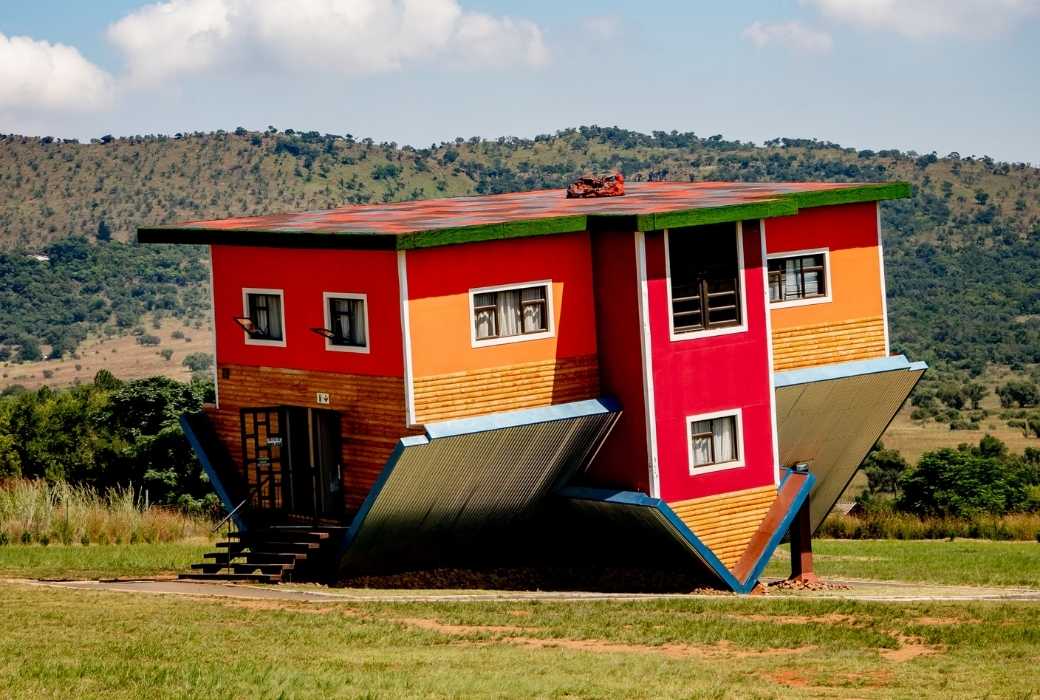
Have you ever looked at a building and immediately felt like something was wrong—but in a fun way? That’s exactly the reaction most people have when they first see one of the many upside down houses scattered across the country.
At first glance, these attractions look impossible. Roofs sit on the ground, foundations point toward the sky, and furniture appears glued to ceilings. Step inside and things get even stranger. Suddenly, your brain starts questioning everything it sees.
Whether you’re planning a family road trip, searching for unique photo opportunities, or simply curious about how these unusual buildings work, Everything you need to know about upside down houses, including where to find them, why they’re so popular, and what makes them such memorable destinations.
What Are Upside Down Houses and Why Are They So Popular?
The term upside down houses usually refers to buildings intentionally constructed or designed to appear completely inverted. While some are standalone tourist attractions, others operate as part of larger entertainment complexes or illusion museums.
The goal is simple: create an immersive experience that tricks the brain and challenges normal perception.
From the outside, visitors see what looks like a fully inverted house. Inside, every room continues the illusion. Tables, chairs, lamps, televisions, and even toilets appear attached to the ceiling.
The result is a powerful optical illusion that creates endless opportunities for photos and videos.
Here’s why these attractions continue growing in popularity:
- They’re family-friendly attractions suitable for all ages.
- They provide unique social media content.
- They offer interactive exhibits rather than passive viewing.
- Visitors can actively participate in creating perspective tricks.
- The experience feels different from traditional museums.
On top of that, people naturally enjoy seeing familiar things presented in unfamiliar ways. When your brain expects one thing and sees another, curiosity immediately takes over.
The History Behind Upside Down Houses
Most people assume upside down houses are a recent social media trend. Surprisingly, the concept has existed for decades.
The modern attraction model became popular in Europe before spreading to North America and Asia. Designers discovered that visitors were fascinated by inverted house concepts because they combined architecture, entertainment, and visual illusion into one experience.
Over time, developers expanded beyond simple flipped buildings.
Today’s attractions often include:
- Themed rooms
- Interactive exhibits
- Motion effects
- Educational displays
- Photography stations
- Digital enhancements
What started as a novelty architectural design has evolved into a major tourist attraction category.
Many modern locations now focus specifically on helping visitors create gravity-defying photos that appear impossible when shared online.
Why Our Brains Love Optical Illusions
There’s actually science behind the appeal.
Our brains constantly rely on visual cues to determine what is up, down, near, and far away.
When an upside down attraction removes those familiar reference points, the brain experiences temporary confusion.
That’s why visitors often laugh, tilt their heads, or feel slightly disoriented when entering an inverted house.
The sensation isn’t dangerous. It’s simply your brain trying to reconcile conflicting information.
9 Famous Upside Down Houses in the United States
If you’re looking for memorable travel destinations, these locations deserve a spot on your list.
WonderWorks Orlando, Florida
Perhaps the most recognizable inverted house in America.
The building appears as though a massive storm picked it up and dropped it upside down. Inside, visitors find dozens of interactive exhibits focused on science, technology, and entertainment.
The exterior alone has become one of Orlando’s most photographed landmarks.
WonderWorks Pigeon Forge, Tennessee
Located in one of Tennessee’s busiest tourism corridors, this upside-down attraction combines educational exhibits with family entertainment.
Visitors often spend several hours exploring the themed rooms and activities.
WonderWorks Myrtle Beach, South Carolina
This location follows the same inverted architecture concept while adding local attractions and entertainment experiences.
Families especially enjoy the hands-on exhibits.
WonderWorks Panama City Beach, Florida
Known for its striking appearance and immersive experience, this location remains a favorite stop for vacationers along the Gulf Coast.
House of Attractions, Wisconsin Dells
Wisconsin Dells has long been known for unusual attractions, making it a perfect home for perspective-based entertainment.
Visitors can create dozens of fun gravity-defying photos here.
Museum of Illusions Locations
Several Museum of Illusions venues throughout the United States feature inverted rooms and perspective tricks that deliver a similar experience.
These illusion museums focus heavily on visual illusion and interactive learning.
Ripley’s Attractions
Certain Ripley’s locations include upside-down rooms and immersive optical illusion exhibits designed to challenge perception.
Local Pop-Up Inverted Houses
Seasonal attractions continue appearing in major cities across the country.
Many feature rotating themed rooms and temporary exhibits.
State Fair Installations
Some fairs and festivals now include mobile upside-down attractions that allow visitors to experience inverted environments without traveling far.
How Upside Down Houses Create Those Amazing Photos
One reason people love upside down houses is the photography.
The secret isn’t complicated.
When visitors rotate photos after taking them, it appears as though they’re walking on ceilings, hanging from furniture, or floating through rooms.
Best Photo Tips
Position yourself carefully.
Many rooms include markers showing where to stand.
For better results:
- Pose dramatically.
- Pretend you’re falling.
- Reach toward ceiling furniture.
- Use wide-angle shots.
- Rotate images after taking them.
For example, someone lying on the floor can appear to be balancing upside down from a chandelier once the image is rotated.
That’s why these attractions have become incredibly Instagram-worthy attractions.
Common Mistakes Visitors Make
Many first-time guests:
- Rush through rooms.
- Ignore photo markers.
- Use poor camera angles.
- Forget to rotate images afterward.
Taking an extra minute often produces significantly better results.
Are There Real Homes Designed Upside Down?
This is one of the most common questions people ask.
The answer is both yes and no.
Most upside down houses are tourist attractions rather than residential properties.
However, some architects use a concept called reverse living.
What Is Reverse Living?
Reverse living places major living spaces on upper floors rather than lower floors.
For example:
- Kitchen upstairs
- Living room upstairs
- Bedrooms downstairs
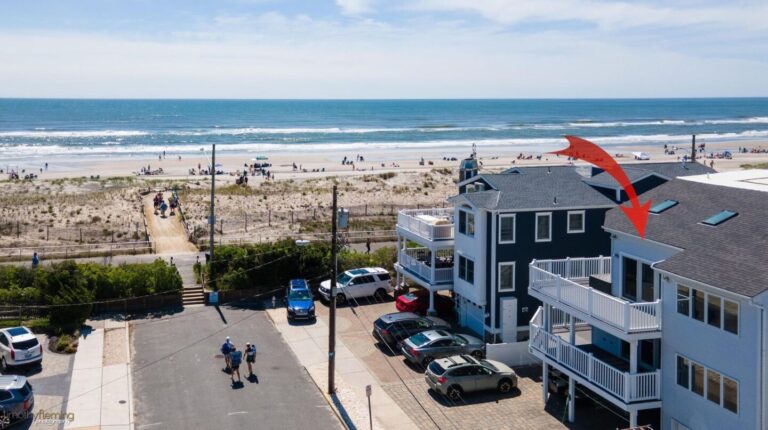
This layout is common in coastal regions where homeowners want better views.
While not literally upside down, it challenges traditional house design principles.
Why Homeowners Choose Reverse Living
Benefits often include:
- Better views
- More natural light
- Improved privacy
- Enhanced airflow
This architectural design concept continues gaining popularity in vacation communities.
What to Expect During Your Visit
If you’ve never visited an inverted house before, you may wonder whether the experience is worth it.
Most visitors spend between 30 minutes and two hours depending on the attraction size.
Expect:
- Interactive exhibits
- Themed rooms
- Photo opportunities
- Educational displays
- Visual illusion experiences
Many locations are designed specifically for families, making them ideal family-friendly attractions.
Is It Suitable for Children?
Absolutely.
Kids often enjoy upside down houses even more than adults.
Children tend to embrace the illusion immediately, while adults spend more time trying to understand how everything works.
The combination of play, exploration, and discovery creates an engaging experience for all ages.
Can Upside Down Houses Cause Dizziness?
Some visitors report mild dizziness.
This usually happens because the brain receives conflicting visual information.
Most symptoms disappear within minutes.
If you’re sensitive to motion or visual effects, moving slowly through exhibits can help.
Why Upside Down Houses Continue Growing in Popularity
The entertainment industry constantly searches for experiences people can’t replicate at home.
Upside down houses solve that challenge perfectly.
They’re:
- Memorable
- Interactive
- Shareable
- Family-oriented
- Visually unique
What this means is visitors leave with something more valuable than a souvenir.
They leave with experiences and photos that spark conversations long after the trip ends.
As social media continues influencing travel decisions, attractions that create unique visual content remain highly attractive.
That’s one reason new inverted house concepts continue opening worldwide.
Tips for Choosing the Best Upside Down House
Not all attractions are identical.
Before visiting, consider:
Size of the Attraction
Larger venues typically offer more themed rooms and interactive exhibits.
Photography Opportunities
Some locations prioritize photo opportunities while others emphasize education.
Family Experience
Check age recommendations if traveling with young children.
Additional Attractions
Many upside-down attractions operate alongside arcades, museums, and entertainment centers.
Bundled experiences often provide greater value.
Conclusion
There’s a reason upside down houses continue attracting millions of curious visitors every year. They combine optical illusion, unique architecture, interactive exhibits, and pure fun into one unforgettable experience.
Whether you’re exploring a famous WonderWorks location, visiting an illusion museum, or discovering a local inverted house attraction, you’ll quickly understand why these unusual buildings have become such popular travel destinations.
If one is located near your next vacation stop, make time to visit. Bring your camera, experiment with perspective tricks, and enjoy the chance to see the world from a completely different angle.
Frequently Asked Questions
1. Are upside down houses real houses?
Most upside down houses are tourist attractions created for entertainment and photography. Some real residential designs use reverse living concepts, but fully inverted homes are generally built as attractions.
2. How do people take photos inside upside down houses?
Visitors position themselves on the floor while furniture is attached to the ceiling. When photos are rotated afterward, the scene appears normal except people seem to be hanging upside down.
3. Why do upside down houses feel strange?
Your brain depends on visual cues to understand orientation. An upside down house removes those cues, creating temporary confusion and making the environment feel unusual.
4. Are upside down houses worth visiting?
For most travelers, yes. They provide an immersive experience, unique photo opportunities, and interactive exhibits that differ from traditional tourist attractions.
5. Which upside down houses are best in the United States?
WonderWorks locations in Orlando, Pigeon Forge, Myrtle Beach, and Panama City Beach are among the most well-known upside down houses in America and consistently attract large numbers of visitors.