
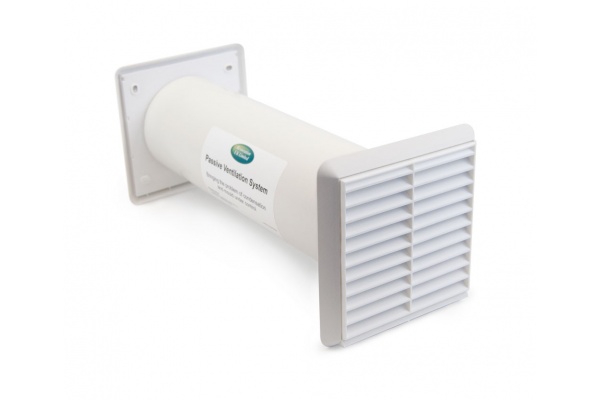
7 Passive Vent Facts Every Homeowner Should Know
If you’ve ever stepped into your attic during summer and felt like you opened the door to an oven, you’re not alone. Many homeowners across the United States deal with overheated attics, excess moisture, rising energy bills, and shortened roof life without realizing the problem often comes down to ventilation.
That’s where a passive vent comes in.
A properly designed passive ventilation system helps your attic breathe naturally. It removes hot, stale air while allowing fresh outdoor air to enter. No motors. No electricity. No moving parts. Just smart airflow working around the clock.
How passive vents work, the different types available, common mistakes homeowners make, and how to determine whether your house has enough ventilation.
What Is a Passive Vent and How Does It Work?
A passive vent is a roof or attic ventilation component that relies on natural airflow instead of mechanical power.
Unlike powered attic fans, passive vents use basic physics. As warm air rises, it naturally moves toward the highest point of the attic and exits through exhaust vents. At the same time, cooler air enters through intake vents, creating continuous airflow. Roofing experts often call this the “stack effect” or natural convection process.
Think of it like opening a window on opposite sides of a room. Air naturally wants to move from one opening to another.
A complete passive roof ventilation system typically includes:
- Intake vents near the roof’s lower edge
- Exhaust vents near the roof peak
- Open airflow channels through the attic
- Balanced ventilation between intake and exhaust
Without both intake and exhaust, the system can’t perform efficiently.
Why Passive Ventilation Matters
Good attic ventilation helps:
- Reduce attic temperatures during summer
- Limit moisture buildup
- Prevent mold growth
- Protect roof decking
- Extend shingle lifespan
- Improve energy efficiency
- Reduce the risk of ice dams in colder climates
Many homeowners focus on insulation while overlooking ventilation. In reality, both systems work together.
Types of Passive Vent Systems
Not all passive vent look the same. Some sit on the roof, while others are installed in the attic’s exterior walls or eaves.
Ridge Vent
A ridge vent runs along the peak of the roof and is considered the gold standard for residential roof ventilation.
Because hot air naturally rises, the ridge is the ideal location for exhaust ventilation. Ridge vents create consistent airflow across the entire roofline rather than exhausting air from only one location.
Benefits include:
- Nearly invisible appearance
- Continuous airflow
- Low maintenance
- Excellent performance when paired with soffit vents
For most modern homes, ridge vents provide the most balanced roof ventilation solution.
Soffit Vent
A soffit vent serves as the intake side of the ventilation system.
Installed beneath roof overhangs, soffit vents allow cooler outdoor air to enter the attic. As air warms, it rises and exits through ridge vents or other exhaust vents.
Without adequate soffit ventilation, even the best ridge vent may struggle to perform properly.
Static Roof Vent
Often called a box vent, turtle vent, or roof cap vent, these units sit on the roof surface and allow hot air to escape naturally.
Advantages:
- Affordable installation
- Simple design
- No moving parts
Disadvantages:
- Less efficient than continuous ridge vents
- Multiple units may be required
Gable Vent
A gable vent is installed on the exterior wall near the roof peak.
These vents rely heavily on wind movement to create airflow. While effective in some situations, they often perform best when combined with other ventilation methods.
Why Attic Ventilation Is More Important Than Most People Realize
Most homeowners never inspect their attic unless something goes wrong.
Unfortunately, poor attic ventilation can create expensive problems long before visible damage appears.
Excess Heat
Summer attic temperatures can exceed 130°F in many parts of the country.
When that heat builds up:
- HVAC systems work harder
- Cooling costs rise
- Roofing materials age faster
- Indoor comfort decreases
Passive roof ventilation helps remove trapped heat naturally.
Moisture Problems
Warm air carries moisture.
When moisture becomes trapped in the attic, it can lead to:
- Mold growth
- Mildew
- Wood rot
- Insulation damage
- Structural deterioration
Balanced attic ventilation helps move humid air outside before problems develop.
Winter Damage
Many people think ventilation only matters during summer.
Not true.
In colder states, poor ventilation contributes to ice dams. Warm attic air melts roof snow, which refreezes at colder roof edges and can cause water intrusion. Proper roof airflow helps maintain more consistent roof temperatures.
The Biggest Passive Vent Mistake Homeowners Make
After reviewing roofing discussions and homeowner forums, one mistake appears repeatedly:
Installing exhaust vents without adequate intake vents.
Many homeowners install a ridge vent expecting immediate improvements. But if soffit vents are blocked or missing, the system struggles to pull fresh air into the attic. Instead, it may draw conditioned air from the living space below.
This can lead to:
- Higher energy bills
- Reduced ventilation performance
- Increased moisture risks
- Poor indoor comfort
Ventilation Balance Matters
Roofing professionals consistently recommend balancing intake and exhaust airflow.
A properly balanced ventilation system allows fresh air to enter at the soffits and exit through ridge or roof vents. Several industry recommendations use attic ventilation ratios between 1:150 and 1:300 depending on design and local code requirements.
Think of it like breathing.
Your attic can’t exhale unless it can also inhale.
How to Know If Your Home Needs Better Roof Ventilation
Many signs of poor ventilation are easy to miss.
Watch for these warning signs:
Inside the Attic
- Strong heat buildup
- Damp insulation
- Visible mold
- Condensation on wood
- Musty odors
Inside the House
- High summer cooling bills
- Uneven room temperatures
- Hot upper floors
- Excess indoor humidity
Outside the House
- Curling shingles
- Premature roof aging
- Ice dams during winter
- Frost in attic spaces
If you notice several of these symptoms together, your current ventilation system deserves closer inspection.
Passive Vent vs Powered Attic Fan
Homeowners often ask whether they should choose passive ventilation or an attic fan.
The answer depends on your home’s design, climate, and ventilation needs.
Passive Vent Advantages
- No electricity required
- Minimal maintenance
- Lower operating costs
- Quiet operation
- Longer lifespan
Powered Attic Fan Advantages
- Greater airflow volume
- Useful in extreme climates
- Can supplement passive systems
Potential Fan Drawbacks
If powered fans are improperly integrated, they may pull air from nearby vents rather than from intended intake locations. Roofing professionals often refer to this as ventilation “short-circuiting.”
For many homes, a properly designed passive ventilation system provides excellent performance without ongoing operating costs.
Passive Vent Costs in the USA
Costs vary based on roof size, accessibility, and local labor rates.
Typical ranges include:
Ridge Vent Installation
- $7–$15 per linear foot installed
- Full-home projects often range from $500–$2,000+
Soffit Vent Installation
- $10–$25 per vent
- Continuous soffit systems cost more
Static Roof Vents
- $150–$500 per vent installed
Full Ventilation Upgrades
- $1,000–$5,000+ depending on attic size and complexity
Remember that ventilation upgrades often cost far less than repairing mold, roof decking, or premature roof failure.
Maintenance Tips for Long-Term Performance
One reason homeowners love passive ventilation systems is their simplicity.
Still, occasional maintenance helps keep airflow unrestricted.
Annual Checklist
Inspect for:
- Blocked soffit vents
- Bird nests
- Debris accumulation
- Damaged vent covers
- Insulation blocking airflow channels
After Major Storms
Check:
- Ridge vent caps
- Roof vent covers
- Flashing around vent penetrations
Even simple visual inspections can prevent expensive future repairs.
Choosing the Right Passive Vent for Your Home
The best option depends on your roof design.
Best for Most Modern Homes
- Ridge vent + soffit vent system
Best for Older Homes
- Static vents with improved intake ventilation
Best for Limited Soffit Space
- Gable vents or specialty intake solutions
Best for Maximum Energy Efficiency
- Balanced ridge and soffit ventilation system
Most roofing professionals consider ridge-and-soffit combinations the most effective passive roof ventilation approach because they provide consistent intake and exhaust airflow throughout the attic.
Conclusion
A passive vent may seem like a small component of your home, but its impact can be surprisingly large. Proper attic ventilation helps control heat, reduce moisture, protect roofing materials, and improve overall energy efficiency.
The key isn’t simply adding more vents. It’s creating balanced airflow through a complete ventilation system that combines intake and exhaust pathways.
If you’re unsure whether your attic is properly ventilated, start with a simple inspection. Check your soffit vents, look for signs of trapped heat or moisture, and talk with a qualified roofing professional if needed.
A few hours spent evaluating your attic today could help you avoid costly roof repairs tomorrow.
Frequently Asked Questions
1. What does a passive vent do?
A passive vent allows natural airflow through an attic or roof system without electricity. It removes hot, humid air while drawing in cooler outdoor air to maintain proper attic ventilation.
2. Are passive vents better than attic fans?
For many homes, yes. Passive vents require no electricity, need less maintenance, and provide continuous airflow. However, extremely hot climates may sometimes benefit from supplemental mechanical ventilation.
3. Do ridge vents need soffit vents?
Yes. Most roofing experts recommend pairing ridge vents with soffit vents. Without intake airflow, ridge vents cannot function as efficiently and may create ventilation imbalances.
4. Can a passive vent lower energy bills?
A properly functioning passive vent system can reduce attic temperatures and decrease cooling demands, which may help lower summer energy costs.
5. How many passive vents does my attic need?
The answer depends on attic size, roof design, and local building codes. Ventilation calculations often use net free area requirements and intake-to-exhaust balance guidelines to determine the correct amount.