
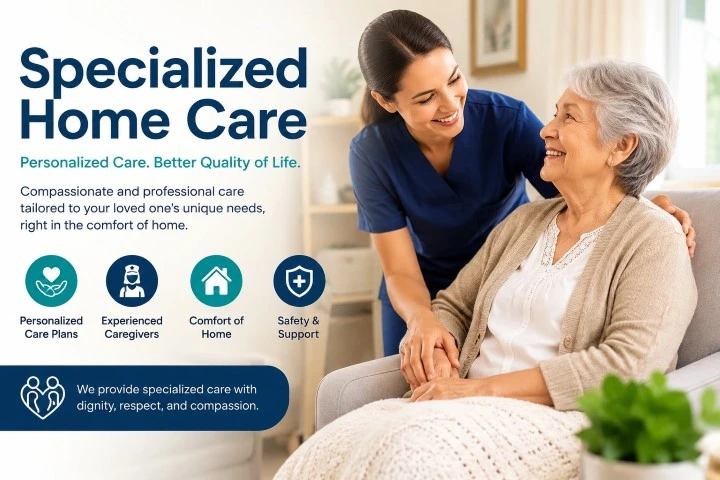
Specialized Home Care: 10 Reasons It Makes Life Easier for Families
When someone you love needs extra help at home, the choices can feel overwhelming. Hospitals aren’t always the answer. Nursing homes aren’t always necessary either. That’s where specialized home care comes in.
It’s more than simple assistance with daily tasks. It’s personalized support designed around an individual’s health, comfort, and independence. Whether someone is recovering from surgery, living with a chronic illness, or simply aging in place, specialized home care provides the right level of care without forcing them to leave the place they know best—their home.
Let’s explore why more families are choosing this option… and what you should know before making a decision.
1. What Is Specialized Home Care?
Specialized home care refers to professional care services tailored to people with specific medical, physical, or emotional needs. Unlike basic caregiving, these services are customized by trained professionals.
Depending on the situation, specialized home care may include:
- Skilled nursing
- Medication management
- Physical therapy
- Occupational therapy
- Speech therapy
- Dementia care
- Alzheimer’s support
- Post-surgery recovery assistance
- Chronic disease management
Every care plan is unique because every person’s health journey is different.
2. Personalized Care That Fits Individual Needs
One of the biggest advantages of specialized home care is personalization.
Instead of following a one-size-fits-all routine, caregivers create a care plan based on medical history, lifestyle, mobility, and personal preferences.
Maybe someone needs help walking safely.
Maybe they require wound care.
Or perhaps they simply need regular monitoring after surgery.
That’s the beauty of personalized support—it changes as the person’s condition changes.
3. Comfort of Staying at Home
Home has a different feeling.
The familiar furniture, favorite chair, family photos… they all contribute to emotional well-being.
With specialized home care, patients receive professional assistance while remaining in a comfortable and familiar environment. Many people recover faster and experience less stress when surrounded by loved ones instead of unfamiliar hospital settings.
And honestly, that comfort can make a huge difference.
4. Better Safety Every Day
Falls remain one of the leading concerns for older adults.
Professional caregivers providing specialized home care can identify risks before accidents happen.
They may recommend:
- Removing loose rugs
- Installing grab bars
- Improving lighting
- Using mobility equipment
- Creating safer walking paths
Small adjustments often prevent major injuries.
5. Support for Chronic Health Conditions
Living with diabetes, Parkinson’s disease, heart disease, COPD, or multiple chronic illnesses requires ongoing attention.
That’s where specialized home care becomes incredibly valuable.
Healthcare professionals monitor symptoms, manage medications, educate family members, and communicate with physicians whenever changes occur.
Instead of reacting to emergencies, care focuses on preventing them.
6. Professional Medical Assistance at Home
Many people assume medical care only happens inside hospitals.
Not anymore.
Today’s specialized home care services often include licensed nurses who perform tasks such as:
- IV therapy
- Injections
- Catheter care
- Wound dressing changes
- Blood pressure monitoring
- Pain management
Receiving skilled medical support at home reduces unnecessary hospital visits and improves overall convenience.
7. Emotional Support Matters Too
Physical health is only part of the picture.
Loneliness affects many seniors and people recovering from illness. Regular companionship can improve mood, reduce anxiety, and encourage healthier daily routines.
Quality specialized home care providers understand that emotional wellness deserves attention too.
Sometimes a meaningful conversation over coffee can be just as important as medication reminders.
Well… almost.
8. Gives Family Caregivers a Break
Family members often become caregivers without any formal training.
It can be exhausting.
Balancing work, parenting, personal responsibilities, and caregiving eventually leads to burnout.
Using specialized home care allows family caregivers to rest, recharge, and focus on spending quality time with loved ones instead of handling every medical responsibility themselves.
That balance is healthier for everyone involved.
9. Flexible Services for Every Situation
No two families need the same schedule.
Some people require just a few hours each week.
Others need overnight monitoring or even around-the-clock assistance.
The flexibility of specialized home care means services can expand or decrease depending on changing medical needs.
That’s reassuring because life rarely stays predictable.
10. Helps Maintain Independence
Many people worry that accepting help means losing independence.
Actually… the opposite is often true.
With specialized home care, individuals receive assistance only where it’s needed while continuing to perform tasks they’re still capable of doing.
Maintaining independence improves confidence, mental health, and overall quality of life.
Instead of replacing personal abilities, caregivers support them.
How to Choose the Right Specialized Home Care Provider
Finding the right provider takes a little research.
Look for agencies that:
- Employ licensed and trained professionals
- Perform background checks
- Offer customized care plans
- Provide regular communication with families
- Have positive client reviews
- Offer emergency support
- Maintain transparent pricing
Ask questions before making a commitment.
A trustworthy provider should happily explain services, qualifications, and care procedures.
Who Can Benefit from Specialized Home Care?
Many different people benefit from these services, including:
- Seniors aging at home
- Stroke survivors
- Individuals recovering after surgery
- Cancer patients
- People with Parkinson’s disease
- Alzheimer’s patients
- Dementia patients
- Individuals with disabilities
- Patients needing palliative care
Because every situation differs, the care plan should always reflect individual needs rather than following a standard template.
Conclusion
Choosing specialized home care isn’t simply about hiring help. It’s about protecting comfort, preserving dignity, and improving quality of life.
The right care provider offers professional medical expertise while allowing people to remain where they feel safest—at home. Families gain peace of mind, patients receive personalized attention, and daily life becomes more manageable for everyone involved.
As healthcare continues to evolve, specialized home care remains one of the most compassionate and practical solutions for individuals needing ongoing support without sacrificing independence.
Frequently Asked Questions (FAQ)
What is specialized home care?
Specialized home care is personalized healthcare and caregiving provided at home for people with medical conditions, disabilities, chronic illnesses, or recovery needs.
Who provides specialized home care?
Services may be delivered by registered nurses, therapists, certified caregivers, home health aides, and other trained healthcare professionals.
Is specialized home care only for seniors?
No. It benefits people of all ages recovering from surgery, managing chronic illnesses, living with disabilities, or requiring skilled nursing support.
Can specialized home care replace hospital care?
Not entirely. While many treatments can be safely provided at home, emergency medical conditions still require hospital care.
How do I choose the best specialized home care provider?
Look for licensed professionals, customized care plans, transparent pricing, positive client reviews, strong communication, and experience with your specific healthcare needs.