Siding on Mobile Home: 10 Smart Tips to Improve Appearance, Protection, and Value
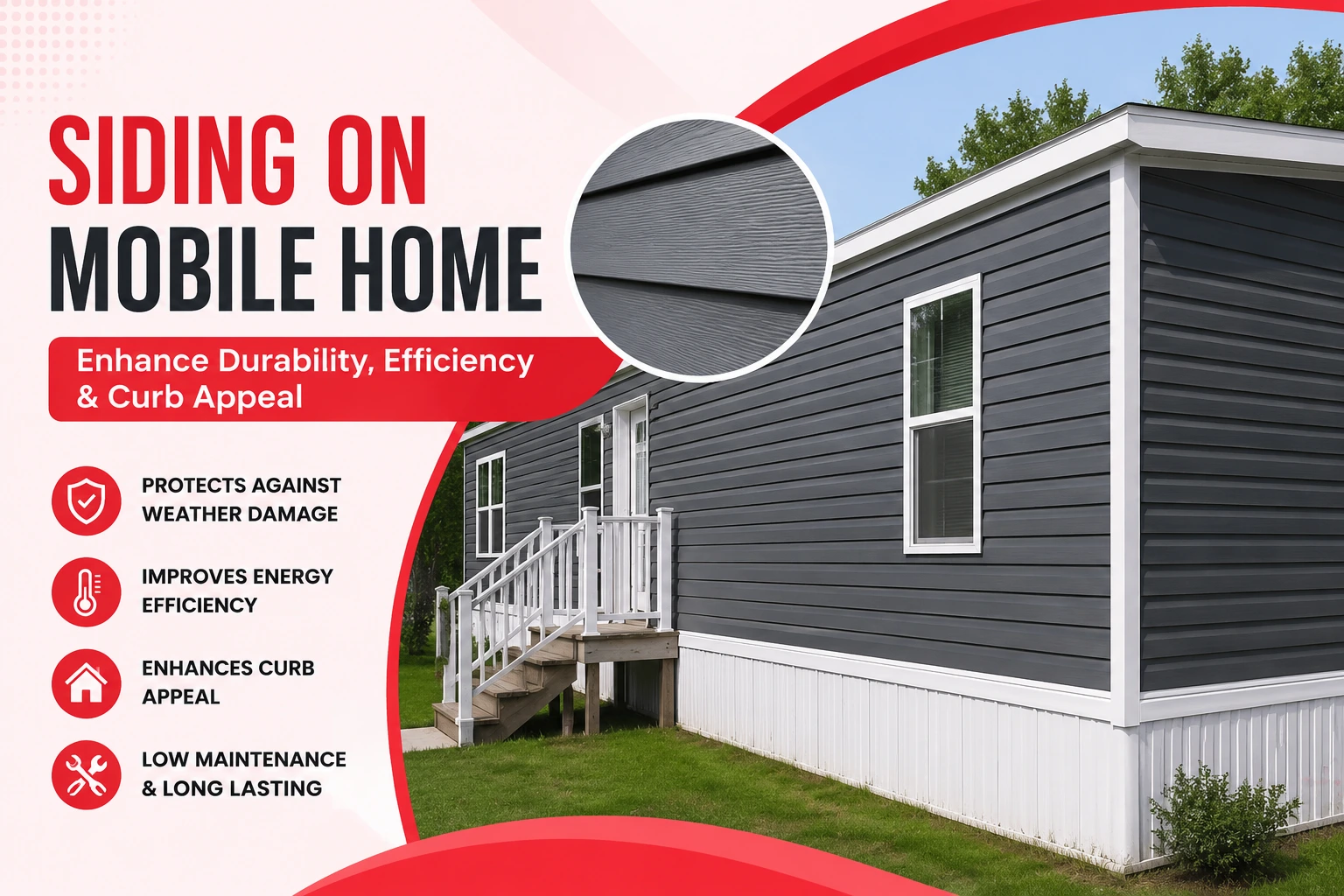
A mobile home can look completely different with the right exterior. Fresh siding on mobile home doesn’t just improve curb appeal—it also protects your investment from rain, wind, heat, and everyday wear. Whether you’re restoring an older property or updating a recently purchased home, choosing the right siding can make a huge difference.
The good news? You have more choices today than ever before. From affordable vinyl to durable fiber cement, every material comes with its own strengths. And honestly…there isn’t one perfect option for everyone.
This guide explains everything you should know before investing in siding on mobile home, helping you make a decision you’ll be happy with for years.
1. Why Siding Matters More Than Many Homeowners Realize
The exterior of your home is its first layer of defense. Quality siding on mobile home protects walls from moisture, insects, sunlight, and temperature changes.
It also helps improve insulation, reduces maintenance, and gives an older mobile home a fresh, modern appearance. Even small cosmetic upgrades outside can make the entire property feel newer.
And if you ever plan to sell? Buyers notice the exterior before anything else.
2. Popular Types of Siding on Mobile Home
Not every siding material works the same way. Your budget, climate, and maintenance preferences all matter.
Here are the most common choices for siding on mobile home:
- Vinyl siding
- Metal siding
- Fiber cement siding
- Engineered wood siding
- Traditional wood siding
Vinyl remains the most popular because it’s affordable, lightweight, and available in many colors and textures.
Fiber cement lasts much longer but costs more upfront.
Wood looks beautiful…but it requires regular maintenance.
3. Vinyl Siding Is Still the Favorite
There’s a reason so many homeowners choose vinyl.
Installing siding on mobile home with vinyl offers several benefits:
- Affordable installation
- Low maintenance
- Moisture resistance
- Wide range of colors
- No regular painting required
- Lightweight construction
For most homeowners looking for value, vinyl provides an excellent balance between price and durability.
4. Signs It’s Time to Replace Your Existing Siding
Sometimes the damage isn’t obvious until it becomes expensive.
Watch for these warning signs:
- Cracks or holes
- Loose panels
- Water stains
- Mold growth
- Warped sections
- Peeling paint
- High energy bills
- Soft spots beneath the siding
If you notice multiple problems, replacing siding on mobile home may be more cost-effective than making repeated repairs.
5. Understanding Installation Costs
Cost depends on several factors.
The total price for siding on mobile home usually varies based on:
- Home size
- Material selected
- Labor rates
- Existing siding removal
- Wall repairs
- Insulation upgrades
- Local building requirements
Vinyl generally offers the lowest installation cost, while fiber cement and engineered wood require a larger investment.
Still, paying a little more now can reduce maintenance expenses later.
6. Should You Install It Yourself?
Some experienced DIY homeowners install siding successfully.
But honestly…it’s not always as simple as online videos make it look.
Professional installation ensures siding on mobile home is properly aligned, sealed, and ventilated. Incorrect installation may lead to moisture damage, warped panels, or reduced insulation.
If you’re comfortable using construction tools and understand exterior framing, DIY can save money. Otherwise, hiring professionals often pays off.
7. Choose Colors That Increase Curb Appeal
Color has a bigger impact than many people expect.
Popular choices include:
- White
- Light gray
- Beige
- Sandstone
- Navy blue
- Olive green
- Charcoal
- Soft cream
Neutral colors keep siding on mobile home looking timeless while appealing to future buyers.
Dark colors can look stunning too—but they absorb more heat in warmer climates.
8. Maintenance Tips That Extend Siding Life
Good maintenance doesn’t take much effort.
To keep siding on mobile home looking its best:
- Wash dirt once or twice each year.
- Inspect after major storms.
- Replace damaged panels quickly.
- Trim bushes touching the walls.
- Clean gutters regularly.
- Check for moisture around windows.
These simple habits help prevent expensive repairs later.
9. Adding Insulation Behind the Siding
Many homeowners replace siding without considering insulation.
That’s a missed opportunity.
Installing insulated siding on mobile home can improve indoor comfort while reducing heating and cooling costs throughout the year.
Extra insulation may also reduce outside noise, making the home feel quieter and more comfortable.
It’s an upgrade worth discussing with your contractor before installation begins.
10. How to Choose the Best Siding for Your Mobile Home
No single material fits every situation.
When comparing siding on mobile home, ask yourself:
- What’s my budget?
- How much maintenance am I willing to do?
- What’s the weather like where I live?
- How long do I plan to stay in the home?
- Do I want the highest resale value?
Taking time to answer these questions makes the decision much easier.
Sometimes spending slightly more upfront results in decades of savings.
Common Mistakes to Avoid
Homeowners occasionally rush into replacing siding on mobile home without proper planning.
Avoid these common mistakes:
- Choosing materials based only on price
- Ignoring insulation upgrades
- Hiring unlicensed contractors
- Skipping moisture inspections
- Selecting colors that don’t match the neighborhood
- Delaying small repairs until they become major issues
A little planning now saves money later.
Benefits You’ll Notice Immediately
After installing new siding on mobile home, many homeowners notice improvements almost immediately.
The home often looks newer, feels more comfortable, and requires less maintenance. Energy efficiency may improve, and the exterior becomes better protected from weather throughout the seasons.
And honestly…walking up to a home that looks refreshed every day feels pretty satisfying.
Conclusion
Upgrading siding on mobile home is one of the smartest improvements you can make. It enhances appearance, protects against weather, increases energy efficiency, and can even raise property value. Whether you choose vinyl, fiber cement, metal, or engineered wood, selecting quality materials and proper installation will provide long-lasting results. Take your time, compare your options carefully, and invest in a solution that fits both your budget and your long-term goals. The right siding doesn’t just change how your home looks—it changes how well it performs.
Frequently Asked Questions
1. What is the best material for siding on mobile home?
Vinyl is the most popular choice because it’s affordable, durable, and requires very little maintenance.
2. How long does siding on mobile home last?
Depending on the material, siding can last anywhere from 20 to 50 years with proper maintenance.
3. Can I install siding on mobile home myself?
Yes, experienced DIY homeowners can install siding, but professional installation usually delivers better long-term performance.
4. Does new siding improve energy efficiency?
Yes. Modern siding combined with insulation helps reduce heat loss and can lower energy bills.
5. How often should siding be cleaned?
Most homeowners should wash their siding once or twice each year and inspect it after severe weather.