Automatic Door Opener for Home: How to Choose the Right One
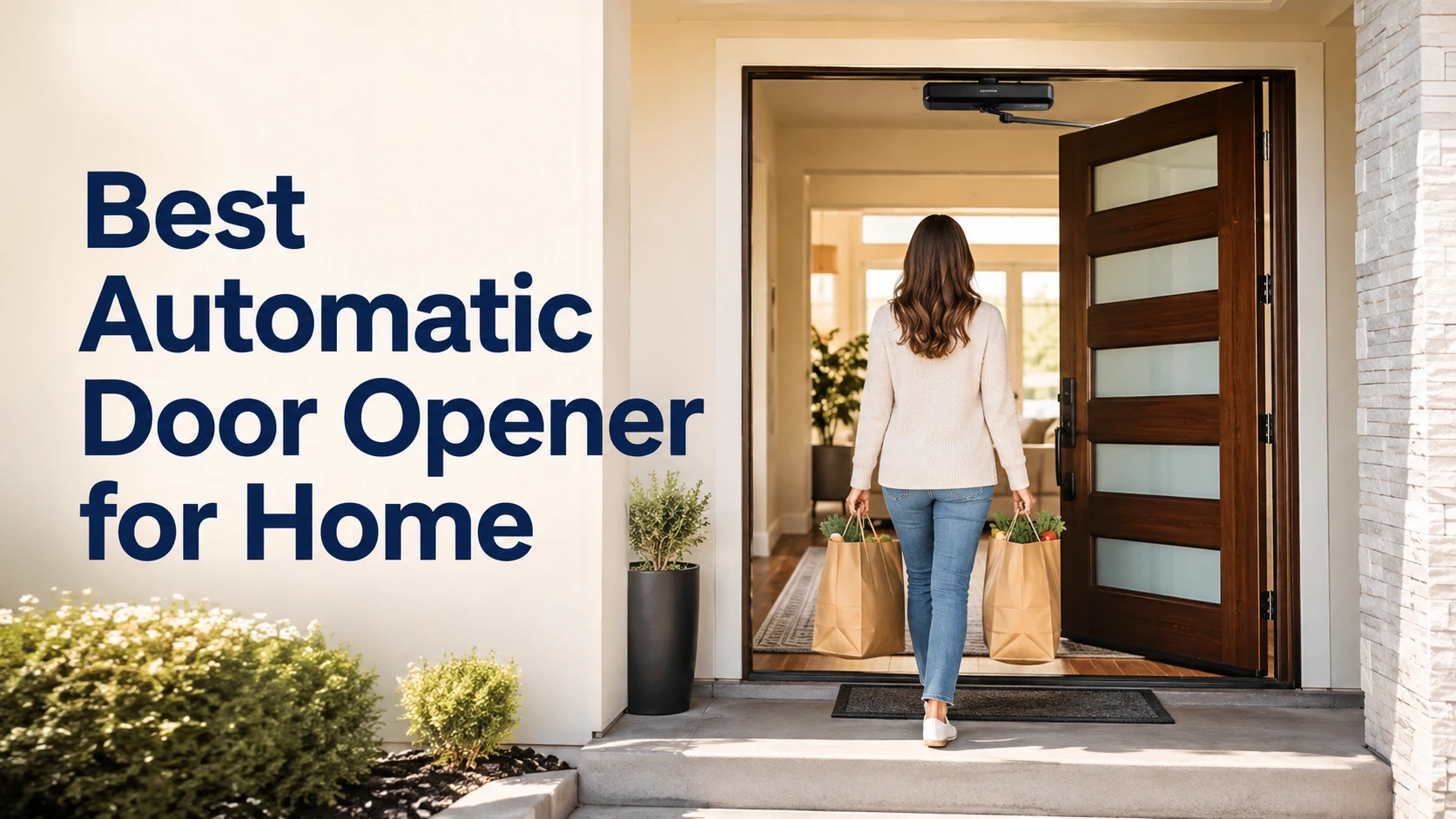
Carrying groceries to the front door is already a two-handed job. Add a stroller, a walker, or a heavy door that takes some effort to pull open, and getting inside can become frustrating. An automatic door opener for home can make everyday entry easier by opening and closing a residential door with a button, remote, sensor, or smart control. It can also provide useful hands-free access for homeowners with mobility needs. But not every opener fits every door. A residential automatic door opener needs to match the door type, weight, width, opening direction, available mounting space, and preferred activation method. Safety features matter, too. The best option is the one that fits both your door and the way you use it every day.
TL;DR — Which Automatic Door Opener Is Right for Your Home?
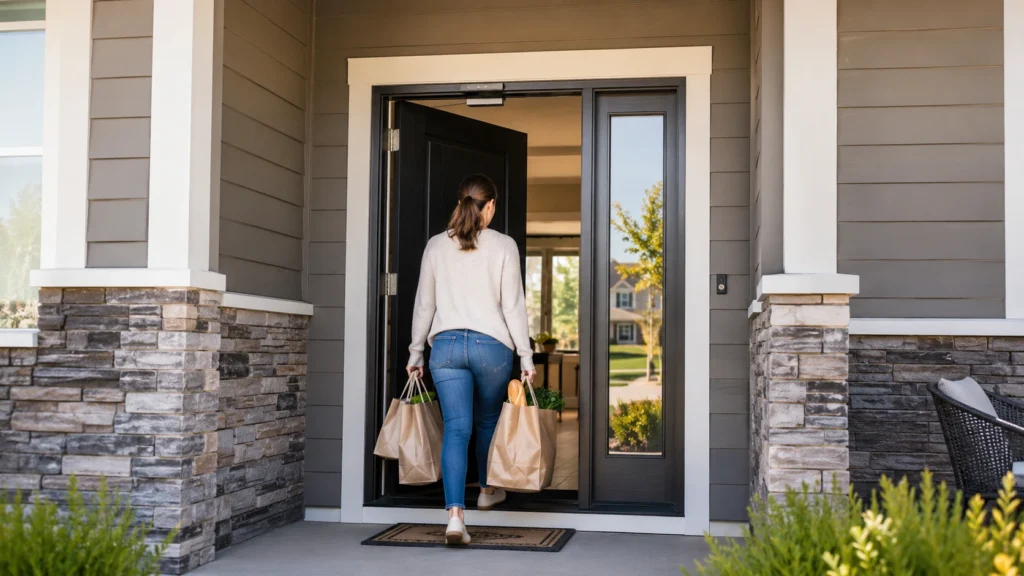
The best automatic door opener for home use starts with the door itself. A hinged front door usually needs an automatic swing door opener, while a patio slider works better with an automatic sliding door opener. Heavy exterior doors may need a higher-capacity operator, while wheelchair or walker access may call for a low-energy automatic door opener. For connected homes, a smart automatic door opener with Wi-Fi or Bluetooth can add remote control. Before buying, check your door’s weight, width, opening direction, activation method, safety features, and available mounting space.
| Home Door / Need | Best Option |
| Hinged front door | Automatic swing door opener |
| Sliding patio door | Automatic sliding door opener |
| Heavy exterior door | Heavy-duty door operator |
| Wheelchair or walker access | Low-energy/accessibility opener |
| Smart-home control | Wi-Fi/Bluetooth opener |
What Is an Automatic Door Opener for Home?
An automatic door opener uses a motor and control system to open and close a door after receiving a signal from a button, remote, sensor, or smart device. The operator moves the door through its opening cycle, then closes it at a controlled speed when the system is designed to do so. A residential door opener can often be added to an existing door as a retrofit, provided the door and frame meet the manufacturer’s requirements. The setup may include an automatic door operator, motor, activation device, and safety sensors. Some systems also have a manual override, so you can operate the door by hand when needed. This type of home door automation can work with suitable hinged or sliding doors.
Types of Automatic Door Openers for Home
The type of door you have should guide your choice. A front entry door needs a different setup from a patio slider, and accessibility needs can change the features that matter most.
Automatic Swing Door Opener
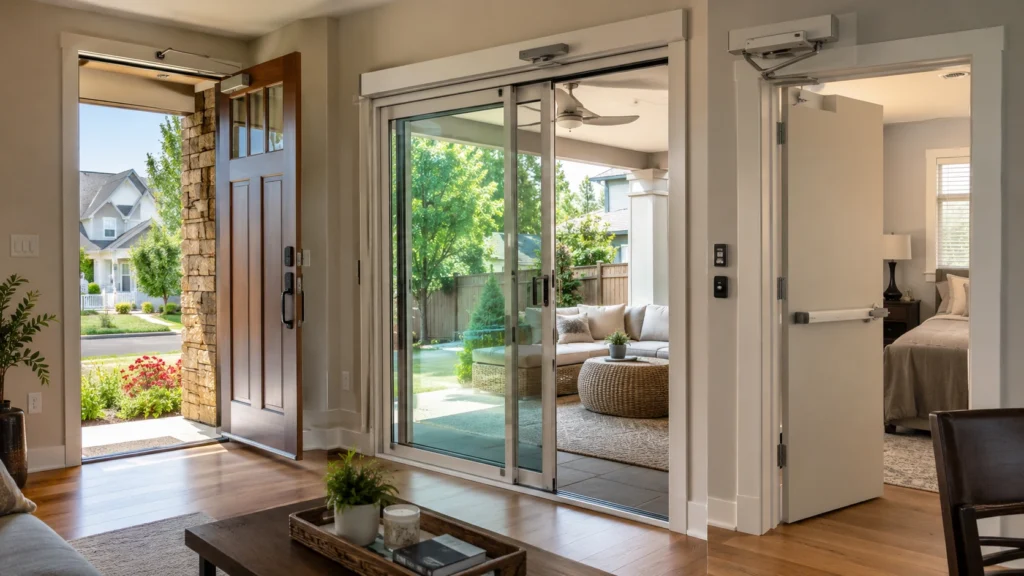
An automatic swing door opener is designed for hinged doors that move inward or outward. It can work with single or double doors, depending on the operator and mounting setup. This makes an automatic hinged door opener a practical option for front entries and some interior doors. Before buying, check the door’s weight, width, swing direction, and frame space. An automatic front door opener should also support the way the door is used every day.
Automatic Sliding Door Opener
An automatic sliding door opener moves the door along its track rather than swinging it open. It can suit patio doors and some sliding glass doors, especially where a wider opening is useful. A residential sliding door opener must match the existing track, door weight, and panel size. The same checks apply to an automatic sliding glass door opener.
Low-Energy & Accessibility Door Openers
A low-energy automatic door opener can be useful for wheelchair users, people using walkers, and older adults who have difficulty pulling a door open. An automatic door opener for accessibility can provide controlled movement and hands-free entry. The door, controls, and installation should all be suitable for the user’s needs.
For households managing mobility-related needs, an automatic opener can be one part of a broader specialized home care setup.
Smart Automatic Door Openers
A smart automatic door opener may connect through Wi-Fi or Bluetooth and offer app or remote control. Some models also work with voice assistants. A Wi-Fi automatic door opener can suit a connected home, while a Bluetooth door opener may be useful for nearby smartphone control.
How to Choose the Right Automatic Door Opener for Your Home
A good opener should fit the door you already have, not force you to change your setup around it. Before buying, look beyond the motor and price tag. These checks can save you from ending up with a system that opens too slowly, lacks enough power, or simply doesn’t fit.
1. Start With Your Door Type
First, identify whether you have a hinged, swing, sliding, or glass door. A swing opener is made for doors that pivot on hinges, while a sliding system moves along a track. Glass doors can have their own mounting and weight requirements. Choosing the right door type narrows down your options quickly.
2. Check Door Weight and Width
Every opener has limits. Check its automatic door opener weight capacity, maximum door weight, and supported door width before ordering. A heavier or wider door may require a motor with greater capacity. Also check the manufacturer’s specifications rather than guessing based on how sturdy the door feels. Proper door weight compatibility matters for reliable operation and safe movement.
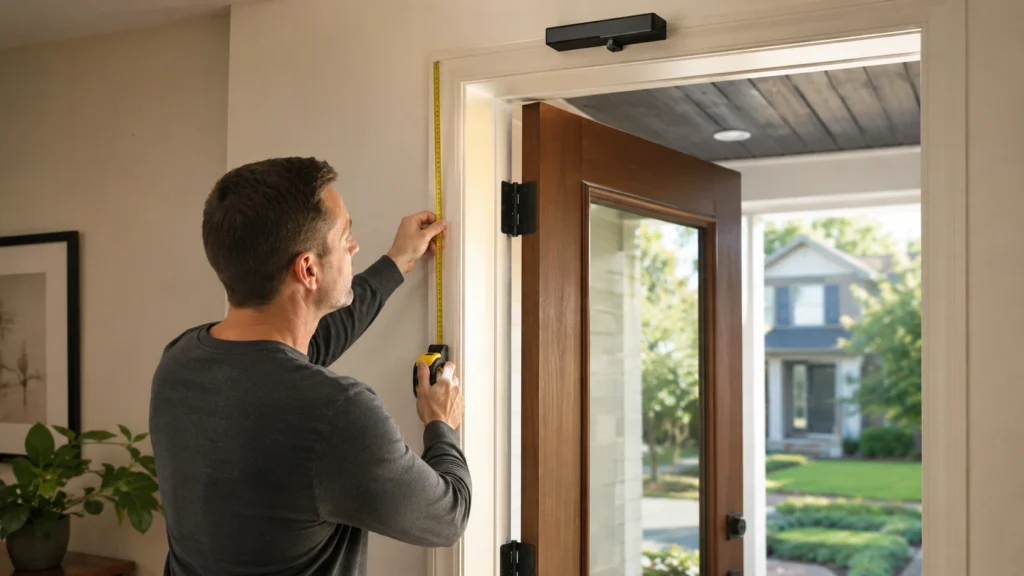
3. Check Swing Direction and Mounting Space
For hinged doors, check the door swing direction—inward or outward—and measure the space around the frame. The hinges, door frame, nearby walls, and available clearance can affect installation. Review the operator’s mounting requirements before choosing a model. A unit that fits the door but not the surrounding frame won’t be much use.
4. Choose the Activation Method
Think about how you want the door to open. An automatic door opener with remote control works well for simple entry, while a push button or wall switch keeps things straightforward. A motion sensor door opener can provide hands-free operation, and smartphone or voice controls may suit a smart home.
5. Consider Power and Manual Operation
Check the automatic door opener power supply and whether the system needs a dedicated electrical connection. Some models offer a battery backup for power outages. A manual override is also useful because you may still want to open the door by hand when power isn’t available or when the automatic function isn’t needed.
Automatic Door Opener Pricing: How Much Does One Cost?
The automatic door opener cost can vary quite a bit depending on the door and the features you need. Basic swing systems tend to sit at the lower end, while heavy-duty, smart, or accessibility-focused equipment can cost more. Your final automatic door opener price may also include installation, wiring, new controls, or door modifications. For a US homeowner, it’s useful to compare the opener itself with the potential automatic door opener installation cost before buying. The figures below are general cost levels rather than fixed prices, since current US listings and installation quotes can vary.
| Opener Type | Typical Cost Level | Main Cost Factors |
| Basic swing opener | Lower | Motor & controls |
| Heavy-duty opener | Medium–High | Door weight |
| Sliding opener | Medium–High | Door size & mechanism |
| Smart opener | Medium–High | Wi-Fi/app features |
| Accessibility system | Higher | Controls & installation |
Safety Features to Look For in a Home Door Opener
Yes, automatic door openers can be safe for homes when the system matches the door and is installed and adjusted correctly. The features matter, too. An automatic door safety sensor can detect an obstruction and help prevent the door from continuing its movement. Obstruction detection and auto-reverse are especially useful where people, children, pets, or mobility devices may be near the doorway. A door closing sensor can also support controlled operation, depending on the system. For accessibility-focused setups, a low-energy door operator can provide slower, controlled movement. Look for a manual override so the door can still be operated by hand when needed. Some systems may also include an emergency or manual release. Always follow the manufacturer’s installation and adjustment instructions, since even good safety features depend on proper setup.
Smart Features: Do You Need Wi-Fi or Bluetooth?
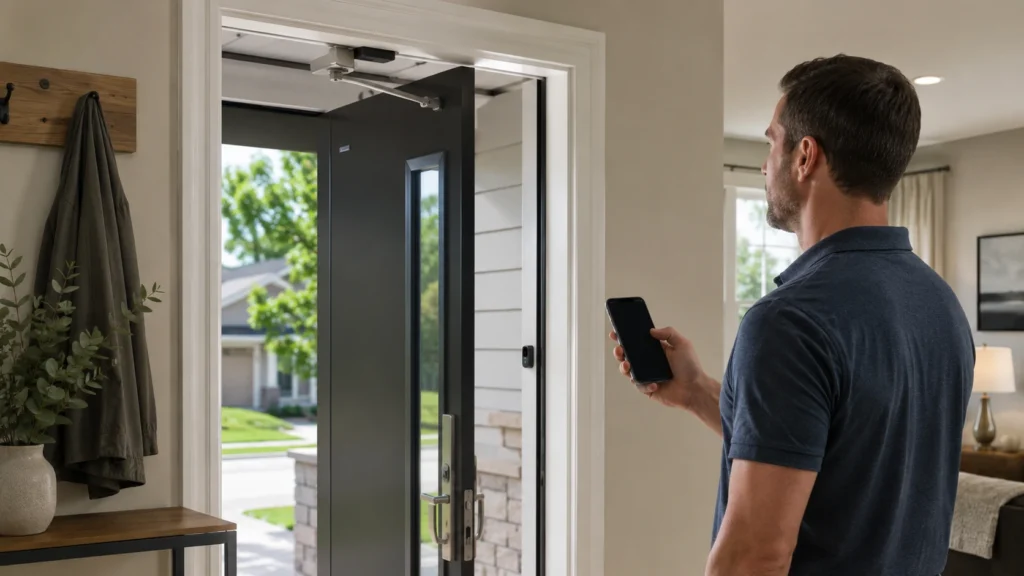
A smart home door opener can give you more control over how a door operates. A Wi-Fi automatic door opener may connect to a smartphone app, while a Bluetooth door opener can offer nearby phone-based control without relying on a home network. Some systems also include a remote control, voice commands through Alexa or Google Home, or smart-lock integration. An app-controlled door opener can be handy if you want to manage access from your phone or connect the door to other smart-home devices. But smart features aren’t necessary for every homeowner. If you mainly want hands-free opening, a reliable button, remote, or sensor may be all you need.
If you’re already building a connected home setup, you may also want to look at home center lite for related home-automation ideas.
DIY Installation vs. Professional Installation
Yes, an automatic door opener retrofit can be installed on some existing doors, but the setup isn’t the same for every system. A DIY automatic door opener may be reasonable when you have a compatible standard door, simple mounting points, basic controls, and clear manufacturer instructions. More involved setups can call for professional automatic door installation, especially with heavy exterior doors, unusual frames, electrical changes, accessibility equipment, or lock and access-control connections. Before starting an automatic door opener installation, check the manufacturer’s requirements for door weight, mounting space, wiring, and controls. If those requirements aren’t clear or the installation involves electrical work, getting professional help is the safer route.
| DIY May Work When | Professional Installation Is Better When |
| Compatible standard door | Heavy exterior door |
| Simple mounting | Complex door frame |
| Clear manufacturer instructions | Electrical modifications |
| Basic controls | Accessibility setup |
| Straightforward retrofit | Lock/access-control integration |
Quick Buying Checklist for Homeowners
Before buying an automatic door opener, take a few measurements and check the features that match your setup. A quick review now can save you from ordering a unit that doesn’t fit your door or frame.
- Door type: hinged, swing, sliding, or glass
- Door weight and width
- Swing direction and clearance
- Available mounting space
- Activation method: button, remote, sensor, or app
- Safety sensors and auto-reverse
- Power requirements and backup options
- Manual override
- Warranty and customer support
FAQs About Automatic Door Openers for Home
What is the best automatic door opener for home use?
The best option depends on your door type, weight, width, and how you want to activate it. A compatible swing, sliding, or accessibility-focused opener is usually a better choice than simply picking the most expensive model.
Can I add an automatic opener to my existing front door?
Yes, some existing front doors can be fitted with an automatic opener. Check the door’s weight, width, frame, swing direction, and the manufacturer’s retrofit requirements before purchasing.
How much does an automatic door opener cost?
Prices vary by opener type, motor capacity, controls, smart features, and installation. Basic systems generally cost less than heavy-duty or accessibility-focused setups.
Can an automatic door opener work with a sliding glass door?
Yes, some systems are designed for sliding glass doors. The opener must be compatible with the door’s weight, panel size, track, and mounting arrangement.
Do automatic door openers work without Wi-Fi?
Yes. Many openers use a wall button, remote, motion sensor, or other local control, so Wi-Fi isn’t required unless you want app-based or connected-home features.
Final Thoughts — Choosing the Right Automatic Door Opener for Your Home
The cheapest opener isn’t always the best fit for your home. Start by identifying your door type, then check its weight, width, frame compatibility, swing direction, and available mounting space. Think about how you’ll use the door, too—remote control may suit everyday convenience, while a sensor or push button can be more useful for accessibility. Safety features should come before extra smart features or a lower price. If your door is heavy or the installation is complex, professional help may be the better route. A good automatic door opener for home use should match your door, daily routine, and safety needs.