
IRS Agent Taxpayer Home Visits: Can the IRS Come to Your Home?
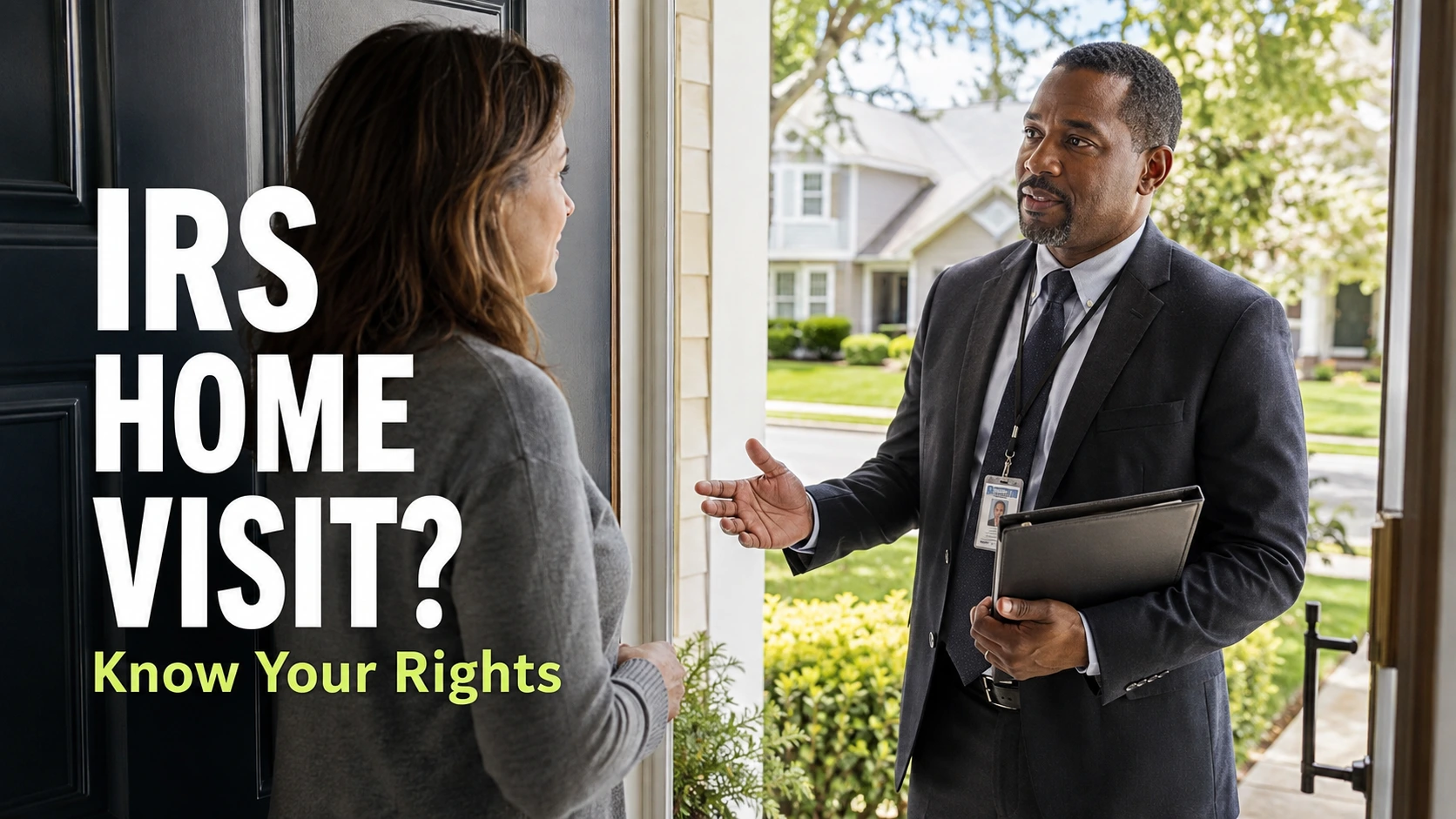
If you’re searching for irs agent taxpayer home visits, you may be worried about what it means when someone claiming to be from the IRS comes to your door. Can an IRS employee really visit your home? Yes, an IRS home visit can happen in certain circumstances, but it isn’t something most taxpayers should expect without prior contact. The IRS ended most unannounced Revenue Officer visits in 2023, making surprise visits rare. Still, a Revenue Officer may visit a home or business in certain tax collection cases. If someone arrives at your door, stay calm, ask for identification, and verify the contact before sharing sensitive information or making a payment. You’ll also want to know why the visit happened, what Letter 725-B means, and what rights you have as a taxpayer.
TL;DR: Can an IRS Agent Visit Your Home?
Yes, irs agent taxpayer home visits can happen in certain circumstances. Revenue Officers may visit a taxpayer’s home or business for collection matters, but most unannounced visits were discontinued in 2023. Prior IRS communication is generally expected. If someone claiming to be an IRS employee comes to your door, verify their identity before sharing information or making a payment.
Can an IRS Agent Visit Your Home?
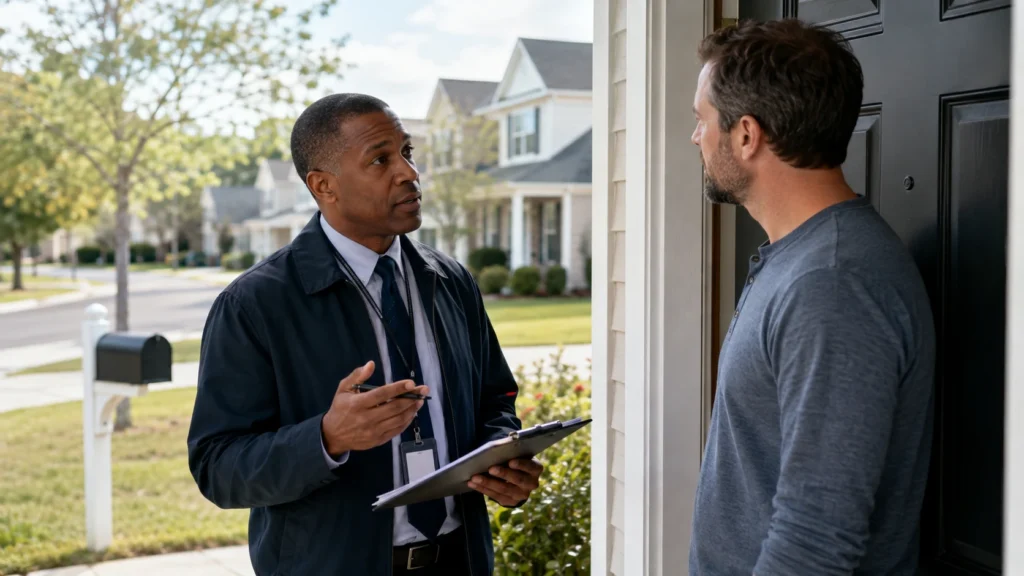
Yes, an IRS employee can visit your home in certain circumstances. Can an IRS agent visit your home without it automatically meaning you’re facing a criminal investigation? Yes. A home visit can relate to a civil tax matter, particularly IRS tax collection.
An IRS Revenue Officer may visit a taxpayer’s home or business when working to resolve unpaid taxes, delinquent returns, or other collection issues. So, can the IRS come to your house? It can, but that doesn’t mean every taxpayer with a tax balance will receive a visit.
If you’re asking, can IRS agents visit your home for reasons beyond collection, the answer can also depend on the employee’s role and the circumstances of the case. A Revenue Agent, for example, may handle an examination rather than a collection matter.
An IRS home visit should be taken seriously, but there’s no need to assume the worst. Understanding who is visiting, why they are there, and what information they are requesting can help you protect your taxpayer rights and respond calmly.
Why Would the IRS Visit a Taxpayer’s Home?
If you’re wondering why would an IRS agent visit my home, there are several possible reasons, and a visit does not automatically mean you’re facing a serious legal problem. In many cases, the contact is connected to taxes that need attention or a collection matter.
Unpaid or Delinquent Taxes
An IRS tax debt, unpaid federal taxes, or back taxes can lead to collection activity. If you have an outstanding tax liability, the IRS may assign the matter to a Revenue Officer who works directly with taxpayers to resolve the account.
Collection Problems
A taxpayer may hear from an IRS collection officer when regular notices or other collection efforts have not resolved the issue. As part of the IRS collection process, a Revenue Officer can take certain tax collection action, including an in-person visit in appropriate cases. So, does the IRS visit homes for unpaid taxes? It can, but not every taxpayer with a balance will receive a home visit.
Other Tax Matters
An IRS employee may also have contact with a taxpayer about delinquent returns, a tax examination, or certain investigations. If you’re asking why would the IRS come to my house or will the IRS come to my house for back taxes, the answer depends on your specific tax situation and the type of IRS employee handling the case.
Can the IRS Come to Your Home Without Warning?
Most taxpayers should not expect an IRS unannounced home visit today. In July 2023, the IRS changed its policy and ended most unannounced visits by Revenue Officers. Since then, taxpayers generally receive IRS prior notice before a collection-related meeting, often through a letter or other contact. Letter 725-B can be used to arrange a Revenue Officer appointment. Limited exceptions can still apply, so an unexpected visit is possible, but it is rare.
| Period | What taxpayers should know |
| Before July 2023 | Unannounced Revenue Officer visits were more common |
| July 2023 | The IRS ended most unannounced Revenue Officer visits |
| 2026 | Unannounced visits are rare; prior contact is generally expected |
The current IRS home visit policy is meant to give taxpayers more notice and reduce confusion with impersonation scams. If you receive an unexpected IRS Revenue Officer visit, verify the person’s identity and the reason for the contact before discussing your tax situation. The 2023 policy change is especially useful to know because older information about IRS unannounced visits may no longer reflect current practice.

What Is an IRS Revenue Officer?
An IRS Revenue Officer is an IRS employee who generally handles tax collection matters. Their work can involve taxpayers with unpaid federal taxes, delinquent returns, or federal tax debt that needs to be resolved. In certain cases, a Revenue Officer may arrange or conduct an in-person visit at a taxpayer’s home or business.
But “IRS agent” can refer to different types of employees, and their jobs are not the same. A Revenue Agent generally handles a tax examination or audit, while a Special Agent with IRS Criminal Investigation works on potential criminal tax cases. Knowing the difference can make an unexpected IRS contact less confusing and help a taxpayer understand why an employee is reaching out.
| IRS Employee | Main Role | Home Visit Context |
| Revenue Officer | Tax collection | May visit home/business in certain cases |
| Revenue Agent | Tax examination/audit | May conduct in-person examinations |
| Special Agent | Criminal tax investigation | Handles criminal investigations |
What Is IRS Letter 725-B?
IRS Letter 725-B is correspondence used by the IRS to notify a taxpayer about contact from a Revenue Officer and arrange an in-person meeting when appropriate. If you receive Letter 725-B, it may explain the reason for the contact and provide information about scheduling a Revenue Officer appointment. It is part of the IRS collection process and should not automatically be treated as a sign of criminal trouble. The letter is generally connected to a tax matter that needs attention, such as unpaid taxes or other collection issues. Read the IRS appointment letter carefully and review any related IRS correspondence so you understand what the IRS is asking for. If an IRS collection appointment is requested, prepare the relevant tax records and seek professional advice if the situation is complicated.
What Should You Do If an IRS Agent Comes to Your Door?
If you’re wondering what to do if an IRS agent comes to your door, stay calm and take a moment before responding. A visit may involve a civil tax matter, so there’s no reason to assume the worst right away.
1. Stay Calm
Don’t panic. Listen to what the person says and avoid making quick decisions before you understand the situation.
2. Ask for Identification
Ask for the person’s name, role, and IRS credentials. Proper IRS agent identification can help you understand who is at your door.
3. Ask Why They’re Visiting
Find out whether the visit concerns tax collection, an examination, delinquent returns, or another matter.
4. Verify the Contact
If anything seems unusual, verify the IRS agent through official IRS channels. Use contact information you obtain independently rather than relying only on what the visitor provides.
5. Don’t Make a Rushed Payment
Never feel pressured to hand over money immediately. Take time to confirm the contact and understand what is being requested.
6. Consider Professional Help
If the matter involves complicated tax debt or collection action, a qualified tax professional can explain your options and taxpayer rights.

Quick Response Guide
| Situation | What to Do |
| An IRS employee comes to your door | Ask for their name, role, and identification |
| You are unsure the visit is legitimate | Verify the contact through official IRS channels |
| The visitor asks for immediate payment | Pause and confirm the request before paying |
| The matter involves complicated tax debt | Consider speaking with a qualified tax professional |
This keeps the table useful because it summarizes the steps instead of repeating the entire section.
How to Tell If an IRS Home Visit Is Real or a Scam
An IRS home visit scam can be convincing, especially when someone arrives at your door claiming to be a Revenue Officer. A legitimate IRS agent should be able to identify themselves and explain the reason for the contact. You should also be able to verify the person through official IRS channels. If someone becomes aggressive, threatens you, or demands immediate payment, slow down and confirm who you’re dealing with.
Common warning signs include pressure to pay right away, unusual payment methods, refusal to provide identification, or suspicious requests for sensitive personal or financial information. A fake IRS agent may try to create fear so you act before checking the facts. That is a common feature of an IRS impersonation scam.
If you’re wondering how to verify an IRS agent, don’t rely only on a phone number or website given by the visitor. Use official IRS contact information to confirm the contact.
| Legitimate IRS Contact | Possible Scam Warning |
| Provides identification | Refuses to identify themselves |
| Explains reason for contact | Uses threats or intimidation |
| Can be independently verified | Pressures you to act immediately |
| Professional communication | Demands suspicious payment methods |
Can an IRS Agent Enter Your Home?
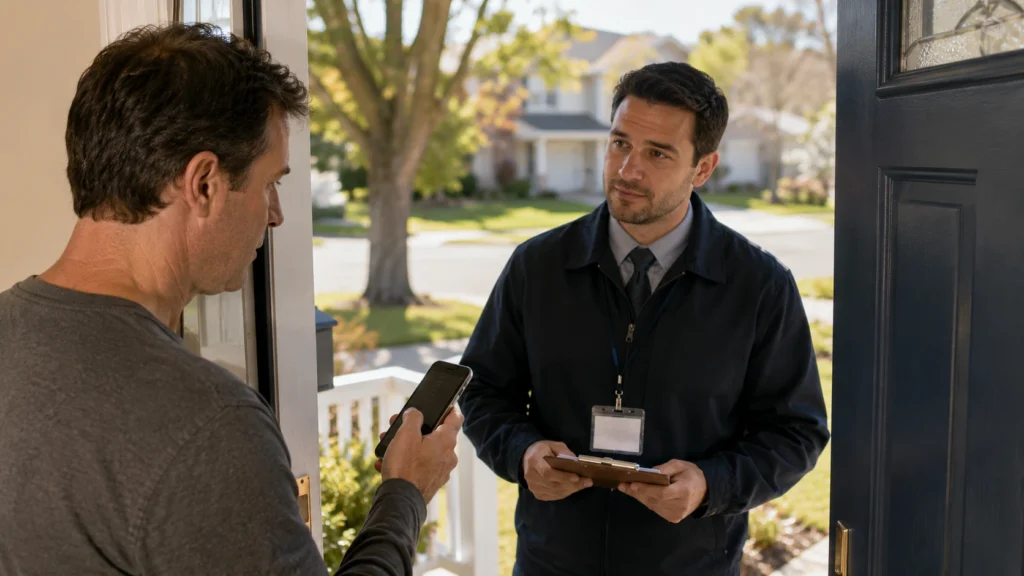
A visit from the IRS does not automatically give an employee unrestricted access to your home. If you’re asking, can an IRS agent enter your home, the answer depends on the circumstances, your consent, and any applicable legal authority. The same applies to can the IRS enter your house or can IRS agents enter your home—the employee’s role and the nature of the case matter.
A Revenue Officer handling civil tax collection is different from a Special Agent working with IRS Criminal Investigation. Their authority and the circumstances surrounding contact can differ. If you’re wondering can you refuse an IRS home visit, don’t make assumptions based on general advice found online. Consider your taxpayer rights, ask questions about the visit, and seek advice from a qualified tax professional if you’re unsure how to respond.
Frequently Asked Questions About IRS Home Visits
Can the IRS Come to Your House Without Warning?
Yes, but unannounced visits are rare under the current IRS home visit policy. Most unannounced Revenue Officer visits were discontinued in 2023, and taxpayers generally receive prior communication.
Why Would an IRS Agent Come to My House?
An IRS agent at my door may be there because of tax collection matters, unpaid taxes, delinquent returns, an examination, or another limited circumstance. The reason depends on the case and the employee’s role.
How Do I Know If an IRS Agent Is Legitimate?
Ask for identification and the person’s IRS role. If you have doubts, verify the IRS agent through official IRS channels using contact information you obtain independently.
Can I Refuse to Let an IRS Agent Into My Home?
A home visit does not automatically give an IRS employee unrestricted access. Your rights and the circumstances of the visit matter, so get professional advice if you’re unsure how to respond.
What Is an IRS Revenue Officer?
A Revenue Officer is an IRS employee who generally handles tax collection matters. A Revenue Officer visit may involve unpaid federal taxes, delinquent returns, or other collection issues.
Conclusion — What to Know About IRS Home Visits
IRS home visits can happen, but they are not something most taxpayers should expect without prior communication. Most unannounced Revenue Officer visits were discontinued in 2023, and Revenue Officers commonly deal with tax collection matters. If someone claiming to be from the IRS comes to your door, stay calm, ask for identification, and verify the contact before sharing sensitive information or making a payment. Knowing your taxpayer rights can help you respond carefully instead of making a rushed decision.