

Jobs in Home Help: Salary, Duties, Skills & How to Get Hired in the USA (2026 Guide)
Some careers pay the bills. Others give you the chance to make a real difference in someone’s daily life. Jobs in home help offer both. Families across the United States are hiring reliable people to assist older adults, individuals with disabilities, and busy households that need extra support with everyday tasks.
The demand keeps growing as more seniors choose to stay in their own homes instead of moving into assisted living facilities. That shift has created thousands of openings for caregivers, home helpers, personal care aides, and housekeeping professionals. Some positions require previous experience, while others welcome beginners who are willing to learn and have the right attitude.
Pay can be competitive, schedules are often flexible, and many employers provide on-the-job training. And that’s one reason these roles appeal to students, career changers, parents returning to work, and anyone searching for stable employment with a meaningful purpose.
You’ll also notice that not every employer is looking for the same skills. Some focus on companionship and daily assistance. Others need help with meal preparation, light housekeeping, transportation, or personal care. Knowing the difference can save time and help you apply for the right opportunities.
This page covers what these roles involve, typical salaries across the U.S., the skills employers value, where to search for caregiver jobs and home care jobs, plus practical advice that can help you stand out during the hiring process.
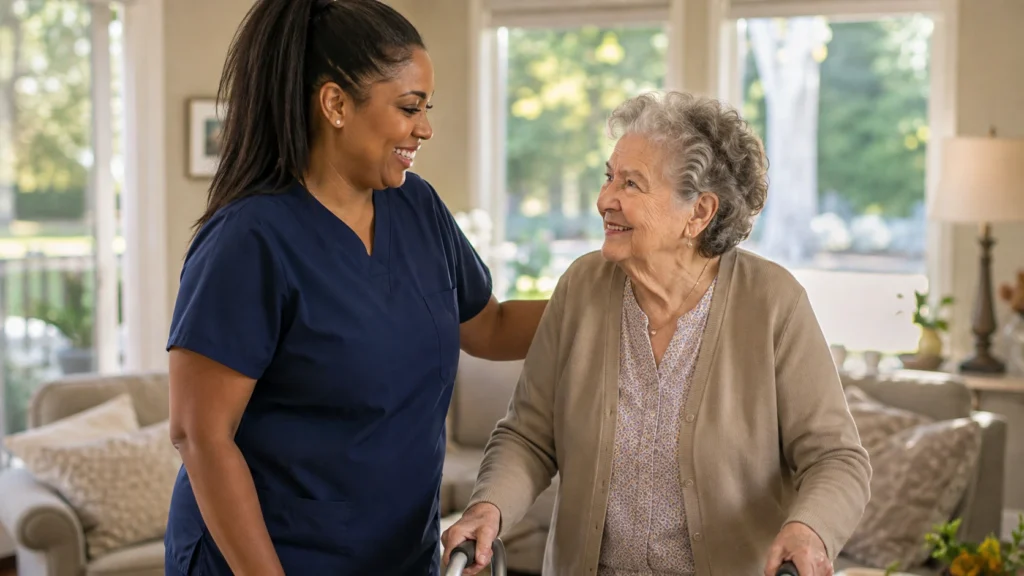
Home help jobs involve assisting seniors, individuals with disabilities, or busy families with daily tasks like housekeeping, meal preparation, companionship, and personal care. In the U.S., many roles offer competitive pay, flexible schedules, and strong job demand. Employers often look for reliability, compassion, and good communication skills. Popular places to apply include home care agencies, Indeed, Care.com, and LinkedIn.
At a Glance
| Category | Details |
| Job Type | Home Help, Caregiving, Personal Care, Housekeeping |
| Industry | Home Care & Household Support Services |
| Average Salary | $35,000–$50,000 per year (varies by role, location, and experience) |
| Experience | Entry-level to experienced positions available |
| Education | High school diploma preferred; certifications may be required for some caregiving roles |
| Schedule | Full-time, part-time, weekend, overnight, and live-in opportunities |
| Demand | High demand across the U.S., especially for senior care and in-home support services |
Quick Answer: What Are Jobs in Home Help?
Jobs in home help are roles that support people who need assistance with everyday living at home. Depending on the position, you may help older adults, people with disabilities, individuals recovering from illness, or busy families with tasks such as light housekeeping, meal preparation, laundry, transportation, companionship, and personal care. Some roles focus only on household support, while others involve hands-on caregiving.
Most employers value reliability, compassion, communication skills, and a willingness to learn more than years of experience. Many entry-level positions provide on-the-job training, making this career accessible to people changing careers, returning to the workforce, or looking for stable employment with flexible schedules. In the United States, demand continues to grow as more families choose in-home care instead of institutional care.
What Are Home Help Jobs?
Home help jobs focus on assisting people with everyday tasks so they can continue living safely and comfortably in their own homes. The work can be as simple as preparing meals, doing light housekeeping, or running errands. In other cases, it involves helping with personal hygiene, mobility, medication reminders, or providing companionship to someone who lives alone.
These roles are common in private homes, home care agencies, and community support programs across the United States. Every position is a little different, which is why reading the job description carefully is always a smart move. Some employers need someone to manage household chores, while others are searching for a caregiver who can provide more hands-on assistance.
The good news? Many employers hire people with little or no professional experience if they have a caring attitude, strong communication skills, and a willingness to learn. As demand for in-home support continues to grow, jobs in home help remain a practical career choice for people looking for stable work with flexible scheduling options.
Difference Between Home Helper, Caregiver, Home Health Aide, Personal Care Aide, and Companion Caregiver
These job titles are often used interchangeably, but they don’t always mean the same thing. Knowing the difference can help you apply for positions that match your skills and career goals.
| Role | Primary Responsibilities | Medical Care | Typical Work Setting |
| Home Helper | Light housekeeping, meal preparation, laundry, grocery shopping, and daily household support | No | Private homes |
| Caregiver | Personal care, mobility assistance, companionship, and help with daily living activities | Limited (depends on employer) | Private homes, home care agencies |
| Home Health Aide (HHA) | Personal care, monitoring basic health needs, assisting with daily routines under supervision | Yes, limited healthcare support | Home health agencies, private homes |
| Personal Care Aide (PCA) | Bathing, dressing, grooming, meal preparation, and daily personal assistance | Usually non-medical | Private homes and community care programs |
| Companion Caregiver | Social interaction, conversation, transportation, errands, and emotional support | No | Private homes |
No matter which role you choose, employers usually look for dependable workers who are patient, respectful, and genuinely enjoy helping others. Starting with one position can also open the door to higher-paying caregiving careers as you gain experience and complete additional training.
Types of Home Help Jobs Available in the USA
Not every home help role involves the same responsibilities. Some positions focus on keeping a household organized, while others provide personal care or daily support for older adults and individuals with disabilities. Understanding these roles makes it easier to choose a career that matches your skills, interests, and experience.
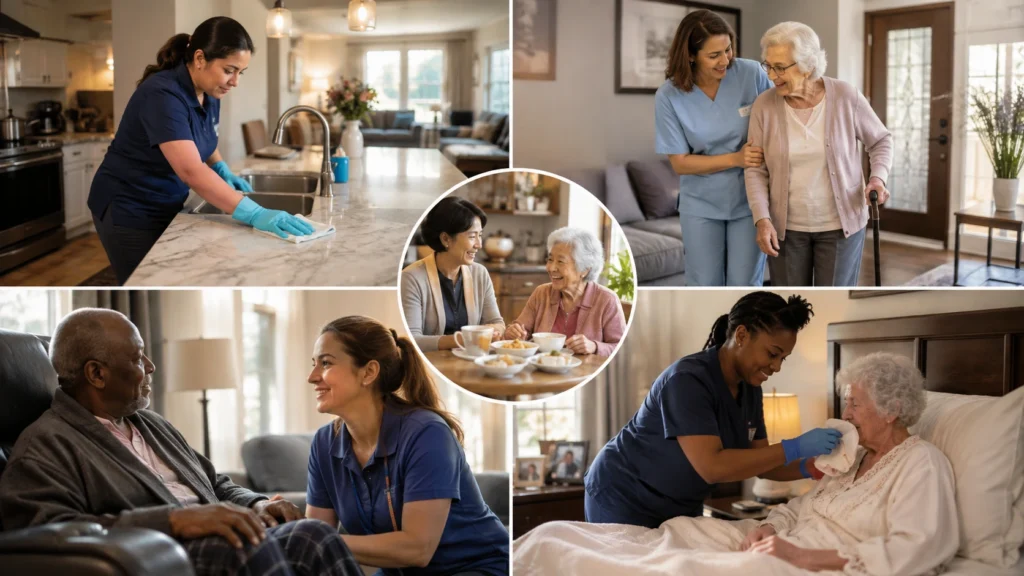
Housekeeper
Housekeepers help families maintain a clean, safe, and organized home. Daily duties often include vacuuming, laundry, changing bed linens, washing dishes, meal preparation, and keeping common areas tidy. Some employers may also ask for grocery shopping or light organizing.
This role is a good fit for people who enjoy staying active, paying attention to detail, and creating a comfortable living space. Many housekeeping positions don’t require medical training, making them a popular entry point into jobs in home help.
Personal Care Aide (PCA)
A Personal Care Aide assists clients with everyday personal needs that they may struggle to handle on their own. That can include bathing, dressing, grooming, meal preparation, mobility support, and helping clients move safely around their homes.
Many PCAs work with seniors or individuals living with disabilities. Compassion, patience, and respectful communication are often just as valuable as previous work experience.
Home Health Aide (HHA)
Home Health Aides provide more hands-on support than many other home care professionals. Along with helping clients with daily activities, they may monitor basic health conditions, record observations, and assist with care plans under the supervision of a licensed healthcare professional.
Some employers require formal training or state-approved certification for this role. Because of the additional responsibilities, Home Health Aides often have access to higher-paying opportunities and stronger career growth.
Live-in Caregiver
A live-in caregiver stays in the client’s home to provide ongoing support throughout the day and night when needed. Housing and meals are often included as part of the employment package, although every employer has different arrangements.
This position may involve personal care, meal preparation, housekeeping, companionship, medication reminders, and emergency assistance. It’s well suited for caregivers who prefer long-term relationships with clients and a consistent work schedule.
Companion Caregiver
Not every client needs physical assistance. Some simply need regular companionship and emotional support. Companion caregivers spend time talking with clients, playing games, accompanying them to appointments, running errands, or enjoying daily walks together.
These roles are especially valuable for older adults who live alone and want to remain socially active. Strong communication skills and a friendly personality are often the qualities employers value most.
Senior Care Assistant
Senior Care Assistants focus on helping older adults remain independent while improving their quality of life. Daily responsibilities can include preparing meals, assisting with mobility, supporting personal hygiene, organizing medications, and providing transportation to medical appointments or community activities.
As the U.S. population continues to age, employers across the country are actively hiring experienced professionals for senior care roles. For many people, this career offers steady employment, meaningful work, and opportunities to grow into supervisory or healthcare positions over time.
Daily Responsibilities of a Home Helper
The daily routine depends on the client’s needs, health condition, and living situation. Some people only need help with household chores, while others require personal care or ongoing assistance throughout the day. Employers usually explain these responsibilities during the hiring process, so no two positions are exactly alike.
Here’s what a typical workday may include.
| Responsibility | Description |
| Light Housekeeping | Clean living areas, vacuum, dust furniture, wash dishes, and keep the home organized. |
| Meal Preparation | Plan simple meals, cook according to dietary needs, and clean the kitchen afterward. |
| Laundry | Wash, dry, fold, and organize clothing, towels, and bed linens. |
| Personal Care Assistance | Help with bathing, dressing, grooming, and personal hygiene when required. |
| Mobility Support | Assist clients with walking, transferring, climbing stairs, or moving safely around the home. |
| Medication Reminders | Remind clients to take prescribed medications on schedule without administering them unless permitted. |
| Transportation | Drive or accompany clients to medical appointments, grocery stores, pharmacies, or social activities. |
| Companionship | Spend time talking, playing games, reading, or simply providing emotional support to reduce loneliness. |
| Shopping & Errands | Purchase groceries, pick up prescriptions, and complete other household errands. |
| Home Safety Monitoring | Watch for potential hazards, report concerns, and help maintain a safe living environment. |
A Typical Day on the Job
Imagine starting your morning by preparing breakfast for an older adult before helping them organize their medications. Later, you might tidy the kitchen, do a load of laundry, and drive them to a doctor’s appointment. After returning home, you prepare lunch, spend some time chatting over coffee, and make sure the house is clean and comfortable before your shift ends. Every client has different needs, which keeps the work meaningful and rewarding.
Many employers value dependable people who can adapt to changing routines and communicate clearly with clients and family members. That’s one reason jobs in home help continue to attract people who enjoy practical, people-focused work and want a career where every day feels different.
Skills and Qualifications Employers Want
Employers don’t always expect years of experience, but they do expect someone they can trust. Families are inviting you into their homes and relying on you to care for a loved one, so personal qualities often matter just as much as technical skills. A positive attitude, reliability, and genuine compassion can make a strong first impression during the hiring process.
Many employers also provide on-the-job training for entry-level positions. Still, having a few certifications or relevant experience can help your application stand out and may even lead to higher-paying opportunities.
Essential Skills for Home Help Professionals
| Skill | Why It Matters |
| Communication | Helps you understand instructions, update family members, and build trust with clients. |
| Compassion | Clients often need emotional support as much as practical assistance. |
| Time Management | Keeps daily tasks organized and completed on schedule. |
| Patience | Important when assisting seniors or individuals with physical or cognitive challenges. |
| Problem-Solving | Helps you respond calmly when unexpected situations arise. |
| Attention to Detail | Small details, like following meal plans or medication schedules, can make a big difference. |
| Physical Stamina | Many roles involve standing, lifting, walking, and assisting clients throughout the day. |
| Reliability | Employers want someone who arrives on time and can be counted on consistently. |
Common Qualifications Employers Look For
While every employer has different hiring requirements, these qualifications are frequently requested across the United States.
- High school diploma or GED (preferred for many positions)
- CPR certification, especially for caregiving roles
- First Aid certification to respond confidently during emergencies
- Valid driver’s license if transportation is part of the job
- Background check to ensure a safe and trustworthy work environment
- Professional or personal references that demonstrate reliability and good character
Having every qualification isn’t always required before you apply. Many employers are willing to train motivated candidates who have the right attitude and a genuine interest in helping others. Adding certifications over time can also open the door to better-paying jobs in home help and long-term career growth.
Home Help Salary in the USA (2026)
Pay for home help positions can vary quite a bit across the United States. Some employers pay an hourly wage, while others offer annual salaries, overtime pay, bonuses, health benefits, or even free accommodation for live-in roles. Your earnings often depend on the type of work you perform, where you live, and the experience you bring to the job.
People with certifications, specialized caregiving skills, or several years of experience usually have access to better-paying positions. Even entry-level workers can increase their earning potential over time by gaining hands-on experience and completing additional training.
Average Home Help Salary in the USA (2026)
| Job Role | Average Hourly Pay | Estimated Annual Salary |
| Housekeeper | $16–$22 | $33,000–$46,000 |
| Personal Care Aide (PCA) | $16–$23 | $34,000–$48,000 |
| Home Health Aide (HHA) | $17–$25 | $36,000–$52,000 |
| Companion Caregiver | $16–$22 | $33,000–$46,000 |
| Live-in Caregiver | $180–$300 per day* | $45,000–$70,000+* |
| Senior Care Assistant | $18–$26 | $38,000–$55,000 |
- Live-in caregiver compensation may also include free housing, meals, and other employment benefits, depending on the employer.
What Affects Your Salary?
Your paycheck isn’t based on job title alone. Several factors can increase—or sometimes limit—how much you earn.
- State: Wages are generally higher in states with a higher cost of living, such as California, Washington, Massachusetts, and New York.
- Experience: Employers usually offer better pay to candidates with proven caregiving or household support experience.
- Live-in Positions: Many live-in roles include accommodation and meals, which can add considerable value to the overall compensation package.
- Employer Type: Private families, home care agencies, healthcare organizations, and senior care providers may all have different pay structures and employee benefits.
Building experience, earning certifications, and developing strong communication skills can help you qualify for higher-paying jobs in home help as your career progresses.
Career Outlook for Home Help Workers in the USA
Home help careers continue to grow across the United States, and the outlook remains encouraging for people entering the field. More families are choosing in-home support instead of long-term residential care because it allows loved ones to stay in familiar surroundings while receiving the assistance they need. That shift has created steady hiring opportunities in both urban and rural communities.
Another reason demand is rising is the country’s aging population. As more adults reach retirement age, the need for reliable caregivers, home health aides, and personal care professionals continues to increase. Many families also need short-term assistance after surgery, illness, or injury, creating even more employment opportunities throughout the year.
One of the biggest advantages is flexibility. Many employers offer full-time, part-time, weekend, overnight, and live-in schedules, making these roles appealing to students, parents, career changers, and retirees looking for meaningful work. As you gain experience and additional certifications, it’s also possible to move into positions with greater responsibilities and higher earning potential.
If you’re planning a long-term healthcare career, starting with jobs in home help can provide valuable hands-on experience while helping you build practical skills, professional references, and confidence working directly with clients.
Career Growth Path
| Career Stage | Typical Focus |
| Home Helper | Assists with housekeeping, meal preparation, errands, and daily household support. |
| Caregiver | Provides companionship, mobility assistance, and help with personal daily activities. |
| Home Health Aide (HHA) | Delivers personal care and basic health-related support under professional supervision. |
| Certified Nursing Assistant (CNA) | Assists patients with daily care in hospitals, nursing homes, and healthcare facilities. |
| Licensed Practical Nurse (LPN) | Provides basic nursing care under the supervision of Registered Nurses and physicians. |
| Registered Nurse (RN) | Manages patient care, performs medical assessments, and coordinates treatment plans. |
This career path shows that an entry-level role doesn’t have to be your final destination. Many healthcare professionals begin with household support or caregiving positions before advancing through additional education, certifications, and real-world experience.
Where to Find Home Help Jobs in the USA
Knowing where to search can save you hours and connect you with better opportunities. While many openings are advertised on popular job boards, some employers hire directly through their own websites or local home care agencies. Checking more than one platform can increase your chances of finding a position that matches your schedule, experience, and career goals.
| Platform | Best For |
| Indeed | Large number of full-time, part-time, and live-in home help opportunities across the U.S. |
| Care.com | Families looking for caregivers, companions, nannies, and household helpers. |
| Professional home care employers, healthcare organizations, and career networking. | |
| Home Care Agencies | Entry-level and experienced caregiving positions with training and ongoing support. |
| Company Career Websites | Direct applications to trusted employers, often with updated openings and employee benefits. |
Indeed
Indeed is one of the largest job websites in the United States, making it a great place to search for jobs in home help. You can filter openings by location, salary, schedule, experience level, and employment type. Reading company reviews and comparing benefits can also help you make better decisions before applying.
Care.com
Care.com specializes in connecting families with caregivers and household professionals. You’ll find positions involving senior care, companionship, housekeeping, childcare, and personal assistance. Many employers also include detailed job descriptions, hourly pay, and work schedules.
LinkedIn isn’t just for corporate careers. Many healthcare providers, home care companies, and senior care organizations post job openings there. Keeping your profile complete and highlighting relevant experience can help recruiters discover your application more easily.
Home Care Agencies
Home care agencies are an excellent option for people who are new to caregiving or looking for consistent work. Many agencies provide orientation, ongoing training, flexible scheduling, and support after you’re hired. Some also help employees earn additional certifications that can lead to career advancement.
Company Career Websites
Many established home care providers advertise vacancies only on their own career pages before posting them elsewhere. Visiting company websites regularly gives you access to the latest openings and lets you learn more about their services, work culture, employee benefits, and hiring requirements before submitting an application.
Applying through several trusted sources instead of relying on a single website can improve your chances of finding the right opportunity faster.
Resume Tips That Get More Interviews
A well-written resume can make the difference between getting a phone call and being overlooked. Employers usually spend less than a minute reviewing an application, so your resume should be easy to read and highlight the qualifications that matter most. Focus on showing how you’ve helped people, managed responsibilities, and built trust in previous roles.
If you’re applying for jobs in home help, tailor your resume for each position instead of sending the same version to every employer. Matching your experience and skills to the job description can greatly improve your chances of getting an interview.

What to Include on Your Resume
- Write a strong professional summary that explains who you are, your experience, and why you’re a good fit for the role.
- Highlight relevant skills such as communication, compassion, meal preparation, housekeeping, time management, and personal care assistance.
- Describe your work experience using clear examples of your responsibilities and achievements, even if they come from volunteer work or caring for a family member.
- Add professional references who can speak about your reliability, work ethic, and ability to care for others.
- List certifications like CPR, First Aid, dementia care training, or caregiver courses to strengthen your application.
Home Help Resume Checklist
| Resume Section | Include? |
| Professional Summary | Yes |
| Contact Information | Yes |
| Relevant Work Experience | Yes |
| Caregiving & Household Skills | Yes |
| Education | Yes |
| CPR / First Aid Certifications | If Available |
| Professional References | Yes |
| Grammar & Spelling Check | Before Sending |
| Resume Tailored to the Job | Always |
A clean, well-organized resume shows employers that you pay attention to detail and take the role seriously. Before submitting your application, read the job description one last time and make sure your resume reflects the skills and experience the employer is looking for.
Home Help Job Interview Tips
Getting an interview means you’ve already made a good first impression. Now it’s your chance to show employers that you’re dependable, compassionate, and ready to handle everyday responsibilities with confidence. Interviewers often care just as much about your attitude and communication skills as they do about your work experience.
Take a few minutes to learn about the employer before the interview. Read the job description carefully, think about how your experience matches the role, and prepare a few examples that show how you’ve handled responsibility, solved problems, or helped others in the past.
Common Interview Questions
These are some of the questions employers frequently ask during home help interviews:
- Tell us about yourself.
- Why do you want to work in home care?
- Have you cared for an older adult or someone with a disability before?
- How would you handle an emergency or unexpected situation?
- What would you do if a client refused your help?
- How do you prioritize multiple daily tasks?
- Are you comfortable working weekends, evenings, or live-in shifts?
How to Give Strong Answers
There’s no need to memorize perfect responses. Employers usually appreciate honest, thoughtful answers that show maturity and a willingness to learn.
- Give real examples from work, volunteering, or personal caregiving experience.
- Explain how you solved a problem instead of giving short yes-or-no answers.
- Show patience, empathy, and respect when talking about client care.
- Be honest about your experience while expressing your willingness to learn new skills.
- Mention certifications like CPR or First Aid if you’ve completed them.
Interview Mistakes to Avoid
Even qualified applicants can miss opportunities because of simple mistakes.
- Arriving late without informing the employer.
- Speaking negatively about previous employers or clients.
- Giving vague or one-word answers.
- Forgetting to bring copies of your resume or certifications.
- Wearing inappropriate or untidy clothing.
- Not asking any questions about the role or work schedule.
Confidence Tips Before the Interview
Feeling nervous is completely normal. A little preparation can help you stay calm and leave a positive impression.
- Review your resume before the interview.
- Practice answering common questions aloud.
- Arrive 10–15 minutes early if it’s an in-person interview.
- Maintain eye contact and listen carefully before answering.
- Speak clearly, smile naturally, and don’t rush your responses.
- Prepare two or three thoughtful questions about training, scheduling, or career growth.
Remember, employers aren’t only hiring someone to complete household tasks—they’re inviting a trusted professional into a client’s home. Showing reliability, kindness, and genuine respect can leave a stronger impression than trying to give the “perfect” answer.
Common Mistakes to Avoid When Applying for Home Help Jobs
Many applicants have the right skills but still miss out on interviews because of small, avoidable mistakes. Employers are looking for someone they can trust in a client’s home, so every part of your application and communication matters. Spending a little extra time before applying can make a noticeable difference.
Sending the Same Resume to Every Employer
A generic resume often gets overlooked because it doesn’t match the employer’s needs. Read the job description carefully and update your resume to highlight the experience, skills, and certifications that are most relevant to that specific role.
Leaving Out References
Strong references can help build confidence in your application. If you’ve worked for a previous employer, volunteered, or even provided long-term care for a family member, ask someone who knows your work ethic to serve as a reference. Be sure to get their permission before listing their contact information.
Ignoring Helpful Certifications
Not every position requires certifications, but having CPR, First Aid, or caregiver training on your resume can help you stand out from other candidates. Even if you don’t have them yet, mentioning that you’re willing to complete additional training shows initiative and commitment.
Applying Without Researching the Employer
Take a few minutes to learn about the company or family before submitting your application. Understanding the employer’s services, values, and expectations can help you tailor your resume and prepare more thoughtful interview answers.
Weak Communication
Professional communication starts long before the interview. Reply to emails promptly, answer phone calls politely, and keep your messages clear and respectful. During interviews, listen carefully, avoid interrupting, and answer questions with confidence instead of rushing through them.
Quick Checklist Before You Apply
- Tailor your resume to the job description.
- Include updated references.
- Add relevant certifications and training.
- Research the employer before applying.
- Proofread your resume for grammar and spelling errors.
- Respond professionally to emails and phone calls.
Avoiding these common mistakes won’t guarantee a job offer, but it can help your application stand out and improve your chances of moving to the next stage of the hiring process.
Pros and Cons of Working in Home Help
Like any career, working in home help comes with both advantages and challenges. Some people enjoy the opportunity to build meaningful relationships and have flexible schedules, while others find the physical and emotional demands more difficult. Looking at both sides can help you decide if this career matches your goals, lifestyle, and expectations.
| Pros | Cons |
| High demand for workers across many parts of the United States | Some roles can be physically demanding, especially when assisting with mobility. |
| Flexible schedules, including full-time, part-time, weekend, and live-in positions | Work schedules may include evenings, weekends, or holidays. |
| Entry-level opportunities are available with on-the-job training | Pay and benefits can vary depending on the employer and location. |
| Chance to make a positive impact on someone’s daily life | Caring for clients with serious health conditions can be emotionally challenging. |
| Valuable experience for careers in healthcare and nursing | Some positions require background checks, certifications, or additional training. |
| Opportunities to build long-term relationships with clients and families | Every client’s needs are different, so the workload can change from day to day. |
| Career advancement into caregiving, home health, and nursing roles | Travel between clients may be required for certain jobs. |
No career is perfect, and that’s true here as well. The work can be challenging at times, but many professionals say the personal connections they build with clients make the job rewarding. If you enjoy helping others, communicate well, and don’t mind staying active throughout the day, this career can offer both stability and long-term growth.
Is This Career Right for You?
Not every job fits every person, and that’s perfectly okay. Home help roles are built around supporting others, so employers usually value kindness, patience, and dependability just as much as work experience. If you enjoy helping people, staying organized, and making someone’s day a little easier, this career could be a great match.
You don’t have to come from a healthcare background to get started. Many people enter this field after working in retail, hospitality, customer service, education, or even after taking time away from the workforce. With the right attitude and a willingness to learn, it’s possible to build a rewarding long-term career.
This Career May Be a Good Fit If You…
- You’re a student looking for flexible part-time or weekend work while gaining valuable real-world experience.
- You’re a parent returning to the workforce and need job opportunities with flexible scheduling.
- You’re changing careers and want a stable field with strong demand and room for advancement.
- You’re naturally compassionate and enjoy helping seniors, individuals with disabilities, or families who need daily support.
- You communicate well and can build trust with clients and their loved ones.
- You’re dependable and can manage responsibilities without constant supervision.
- You’re comfortable performing household tasks such as meal preparation, light housekeeping, laundry, and running errands.
- You’re interested in healthcare and want practical experience before pursuing roles like a Home Health Aide, CNA, LPN, or Registered Nurse.
If you checked most of these points, there’s a good chance you’ll feel comfortable in this type of work. Every day brings different responsibilities, but the opportunity to improve someone’s quality of life is what keeps many people in this profession for years.
Also Read:
- Work from Home Nursing Jobs: Work From Home Nursing Jobs: A Complete Guide for Nurses Seeking Remote Careers
- Home Help after Surgery: Home Help After Surgery: Recovery Tips & Care at Home
- Specialized Home Care: Specialized Home Care: 10 Reasons It Makes Life Easier for Families
Frequently Asked Questions
What are home help jobs?
Home help jobs involve assisting people with everyday tasks so they can live safely and comfortably in their own homes. Responsibilities may include light housekeeping, meal preparation, laundry, companionship, grocery shopping, transportation, and personal care, depending on the client’s needs and the employer’s requirements.
Do I need experience to get hired?
Not always. Many employers hire entry-level candidates who demonstrate reliability, compassion, and a willingness to learn. Previous experience in caregiving, customer service, hospitality, housekeeping, or even caring for a family member can strengthen your application, but some positions also provide on-the-job training.
How much can I earn in the United States?
Pay depends on your location, experience, employer, and job responsibilities. Many home help professionals earn between $16 and $26 per hour, while annual salaries commonly range from $33,000 to $55,000 or more. Live-in positions may also include housing and meals as part of the compensation package.
Is certification required?
Certification isn’t required for every role. Housekeeping and companion care positions often don’t require formal credentials. However, CPR, First Aid, caregiver training, or state-approved Home Health Aide certification can improve your employment opportunities and may lead to higher-paying positions.
Where can I apply for home help positions?
You can search for openings on Indeed, Care.com, LinkedIn, local home care agencies, and the career pages of established home care providers. Checking multiple sources regularly can help you find more opportunities that match your schedule and qualifications.
What’s the difference between a caregiver and a home helper?
A home helper usually focuses on household tasks such as cleaning, cooking, laundry, and errands. A caregiver often provides additional support with personal care, mobility, companionship, and daily living activities. Some caregiving roles may also require specialized training or certifications, depending on the employer and state regulations.
Are home help jobs in demand in the USA?
Yes. Demand remains strong because of the growing senior population, increased preference for in-home care, and the ongoing need for personal assistance services. Many employers continue to hire full-time, part-time, weekend, and live-in professionals throughout the year.
Final Thoughts
A career in home help is about much more than completing daily tasks. It’s an opportunity to support people when they need it most while building a stable career with flexible work options and room to grow. From housekeeping and companionship to personal care, these roles give you the chance to make a real difference in someone’s everyday life.
Before applying, take time to strengthen your resume, earn relevant certifications if possible, and research employers carefully. Small steps like these can improve your confidence and help you stand out in a competitive hiring market.
If you’re ready to begin, start exploring openings that match your skills and schedule, prepare a strong application, and take the first step toward a rewarding career helping others.